

By Dr. Linard E. Kovalsky, Institute for Post-Hegemonic Strategy, Orbital Governance Forum
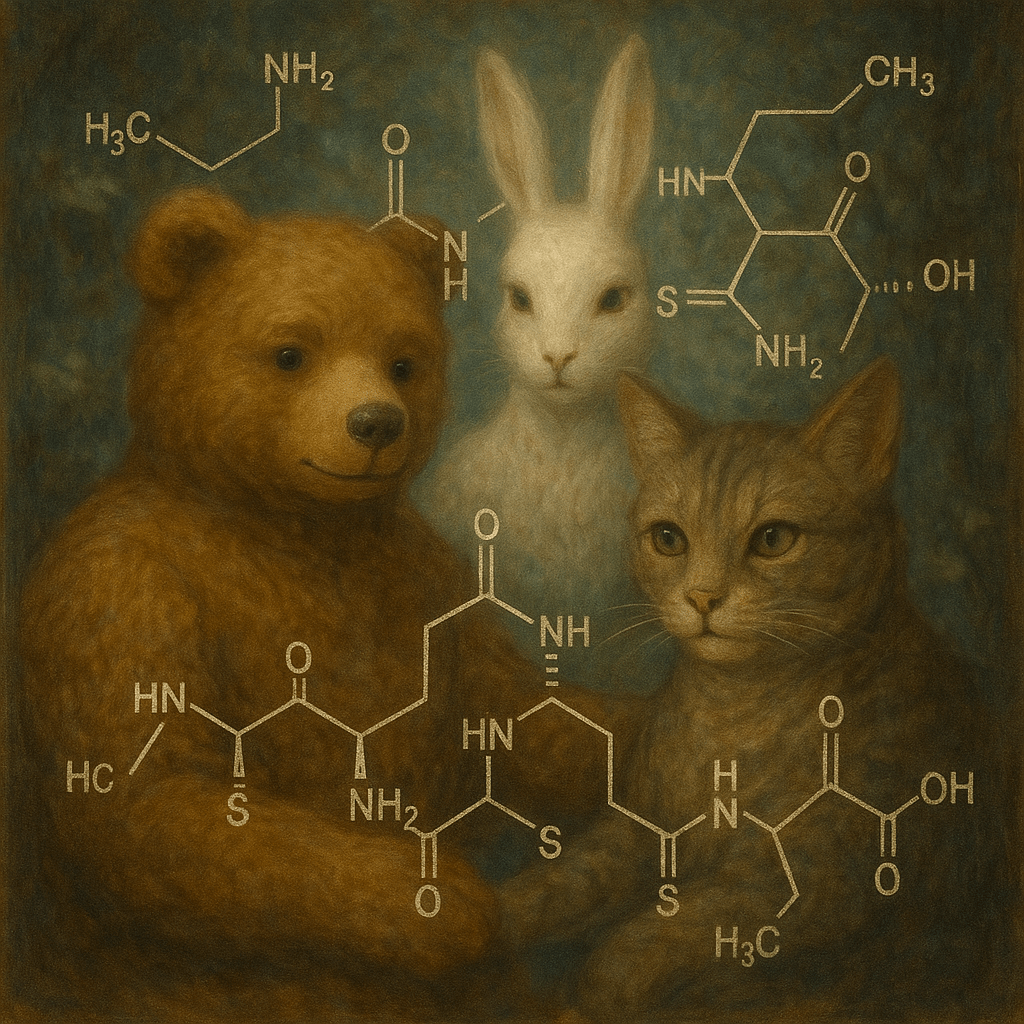
In an age where geopolitical tension, ecological destabilization, and psychological exhaustion intersect, the once-marginal concept of soft power has surged to the heart of political debate. At the center of this shift stands an unexpected yet symbolically loaded development: the cult of teddies and cats—a cultural phenomenon that has not only reshaped public affect but, as one controversial consultant argues, could reconfigure strategic thinking itself.
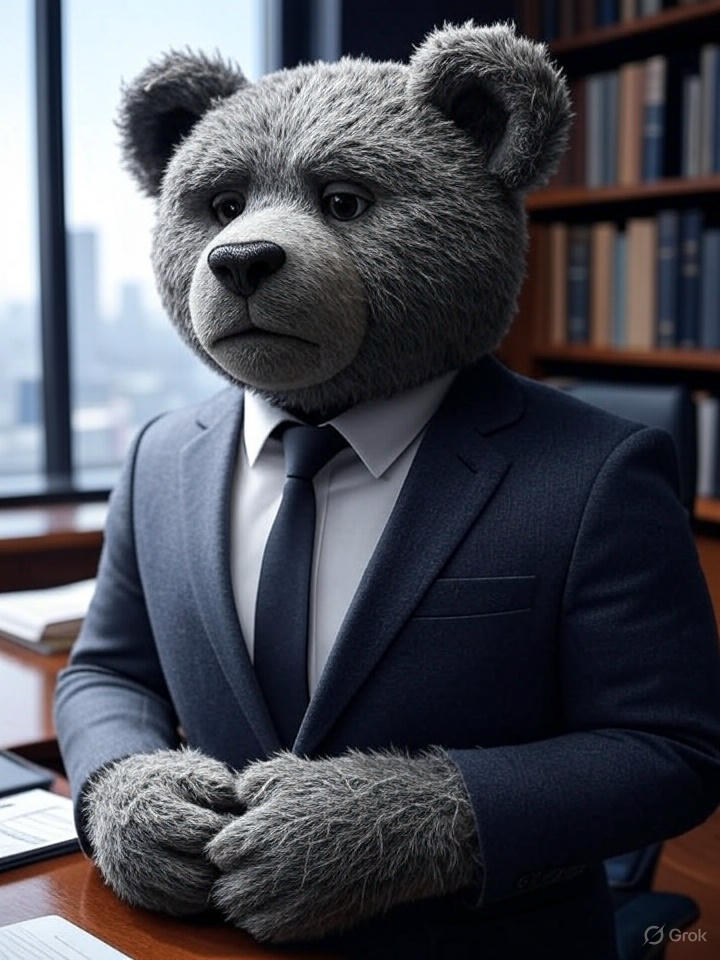
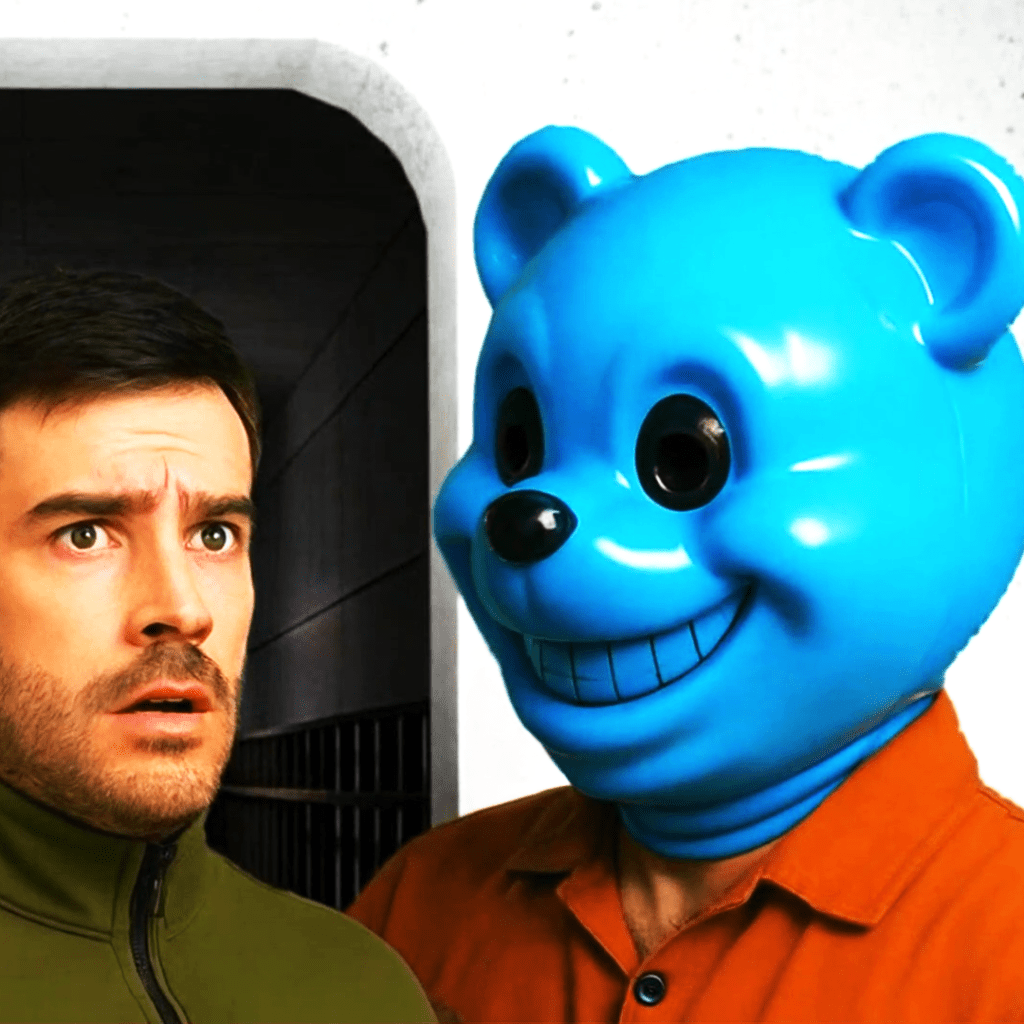
That consultant is Theo van Pommelsen, senior advisor at the globally influential think tank VisionSphere. Known for his charismatic presentations and provocatively furry metaphors, van Pommelsen is also the heir of CUDL Co., the world’s most profitable pet-accessory and synthetic plush conglomerate. In his latest white paper, “The Soft Turn: Emotional Infrastructure as Geopolitical Leverage”, he proposes an audacious thesis: that the aesthetics and symbolic regimes of teddy bears and cats are not merely cultural trends, but pillars of a rising tender hegemony capable of undermining the hardened legacy of the military-industrial paradigm.
Softness as Strategy
In van Pommelsen’s framework, “fluff” is not trivial—it’s signal modulation. He describes teddies as repositories of emotional security coding, and cats as avatars of autonomous grace. Both operate as affective ambassadors: they de-escalate, charm, and diffuse threat perception. In strategic communication, he argues, these icons carry more memetic currency than national flags or unmanned drones.
Governments that export not just weapons but emotional environments—through animation, social media, pet memes, and therapeutic merchandise—are engaging in what he terms “comfort projection.” This reframing of soft power is not naïve idealism, van Pommelsen claims, but post-militarized influence architecture.
A Fluffy Faultline: Debate in the State
The proposition has sparked intense controversy. Critics from the defense establishment accuse van Pommelsen of “weaponizing whimsy” and pushing a “plush lobbyist agenda” in service of his dynasty’s economic interests. Several generals have publicly scoffed at the notion that “stuffed animals could replace deterrence.”
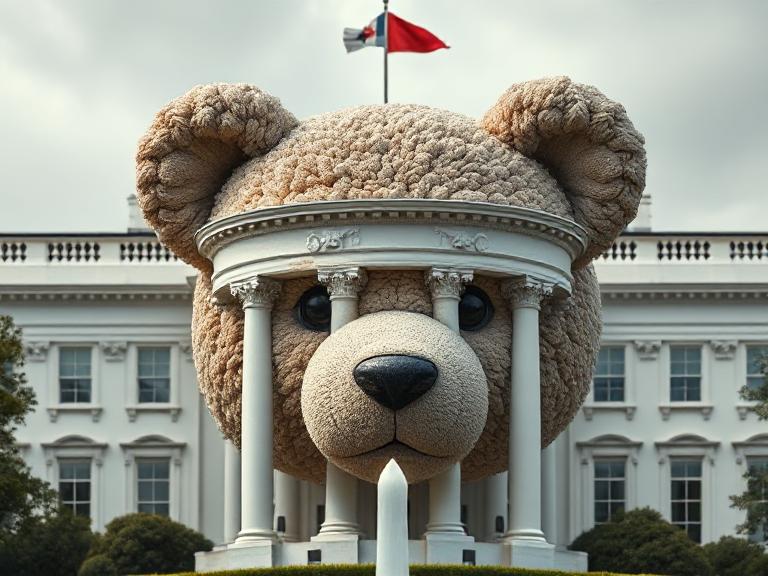
Yet the growing internal schism is real. Civilian agencies have already begun pilot programs inspired by the report—deploying cat café diplomacy initiatives in post-conflict zones and teddy therapy zones in overstressed bureaucracies. A leaked memo from the Ministry of Psychological Resilience even refers to “Operation Snuggle”—a soft power campaign based on plush visual branding in strategic media partnerships.
The Cult of Soft Icons
Sociologically, the teddy-and-cat cult has penetrated deep into collective imagination. Online communities orbit around affective archetypes like “Commander Snuggle” or “Whisker Oracle,” generating millions of interactions. Van Pommelsen insists these aren’t just digital distractions, but proto-symbolic state functions: distributed rituals of comfort and micro-governance via parasocial intimacy.

His detractors claim this borders on affective propaganda, a substitution of plush tokens for material reform. They point to the irony of deploying synthetic comfort while ignoring real inequality. Nevertheless, soft influence has already proved more globally transmittable than military base construction—especially among younger populations and in regions where trauma fatigue erodes traditional ideological allegiances.
Ambivalence and the Future of Power
Van Pommelsen’s thesis thus presents a dilemma at the intersection of political science, cultural semiotics, and ethical strategy: Is the world better off governed by fur than firepower, or is this merely a strategic rebranding of elite control?
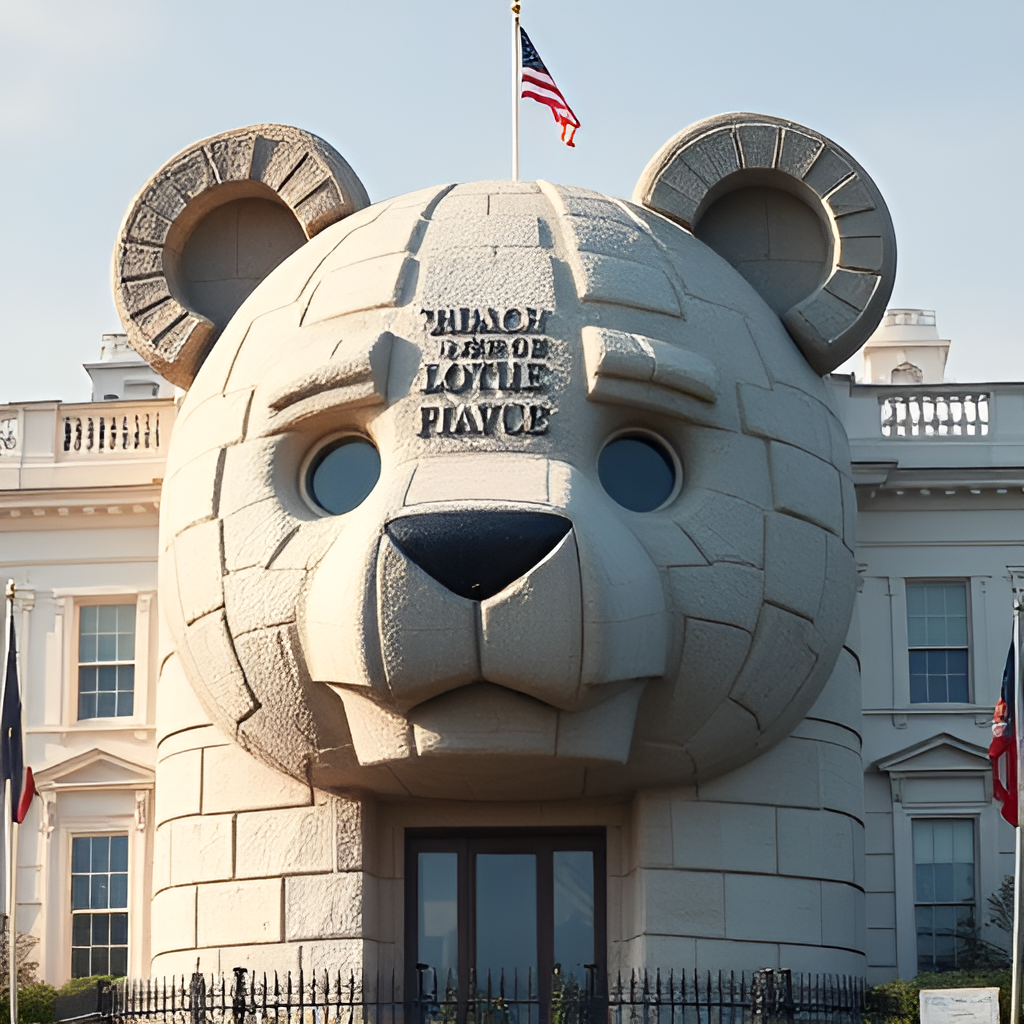
The conclusion is necessarily ambivalent. On one hand, the turn toward symbolic softness marks an overdue diversification of statecraft—a move toward diplomacy that addresses the emotional, not just economic, condition of humanity. On the other, it risks becoming an aesthetic anesthetic—a velvet gloss over systems that remain unjust at their core.
In the end, the teddy may soothe, and the cat may charm—but neither alone can unbuild a tank.
Still, in an age where brute strength erodes legitimacy faster than it enforces it, the strange softness of this new political fluff may not be weakness, but a deeper recalibration of what power looks and feels like.
Dr. Kovalsky is a political analyst focusing on symbolic governance, soft systems theory, and post-industrial affect. His recent book, “The Empire of Vibes,” explores emerging non-violent state tools in the 21st century.

 🟨🟩🟦 ~NU relations
Leave a comment