

By Dr. Felix Norrheim, Institute for Techno-Affective Studies
In an era increasingly defined by the convergence of affective needs and technological capabilities, the robotification of teddies and cats stands as a peculiar but revealing case study in the shifting boundaries between nature, culture, and machine. What began as playful experimentations in the toy and companion industries has evolved into a full-blown socio-technological phenomenon, raising deep questions about emotional authenticity, economic interests, and post-biological forms of kinship.
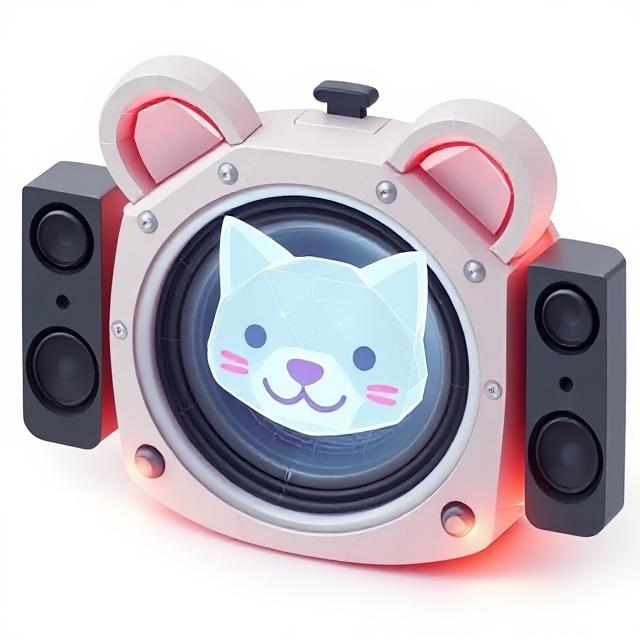
A Brief Technological Overview
The technological development of robotic teddies and cats can be traced back to early animatronics and basic AI-interfaced plush toys in the late 1990s. However, the turning point arrived with the integration of machine learning algorithms, emotional recognition software, and haptic feedback systems in the 2010s. Projects like Aibo (Sony), Paro (a therapeutic seal), and Qoobo (a tailed pillow) paved the way, but it was the combined efforts of SoftSynth Labs and KawaTech Industries that produced the first generation of fully adaptive, conversational, and motion-sensitive cuddlebots.
Psychological and Cultural Shifts
From a psychological standpoint, the rise of robotic teddies and cats reveals both opportunities and tensions. On the one hand, robotic companions can offer emotional stabilization, predictability, and low-stakes relational feedback, which are especially beneficial in therapeutic or isolated contexts. They reduce social pressure, are infinitely patient, and can be programmed to adapt to individual emotional patterns.
Today, companies like PlushNet Global, NeuroPurr, and TeddySynth Dynamics lead the market, offering robotic companions equipped with neural mirroring, mood modulation responses, and limited autonomous behaviors. While some are marketed as high-end therapeutic tools for elderly care or neurodivergent children, others have entered the luxury wellness and digital pet economies.
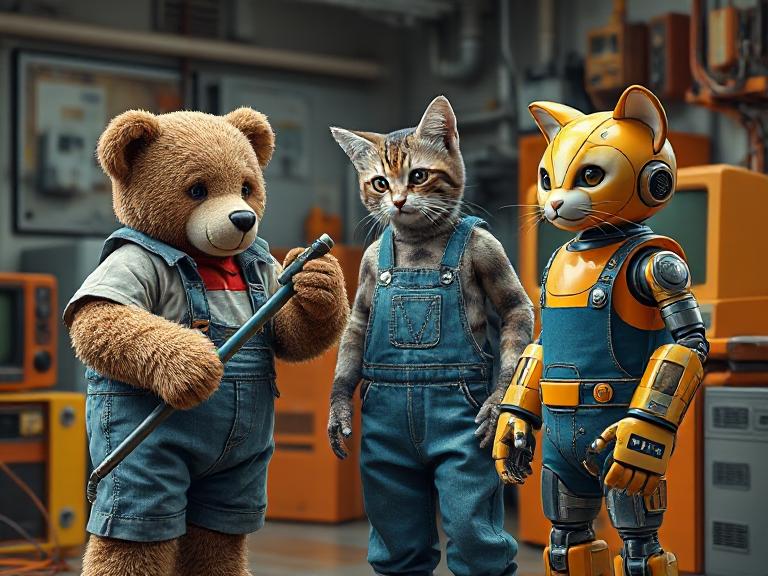
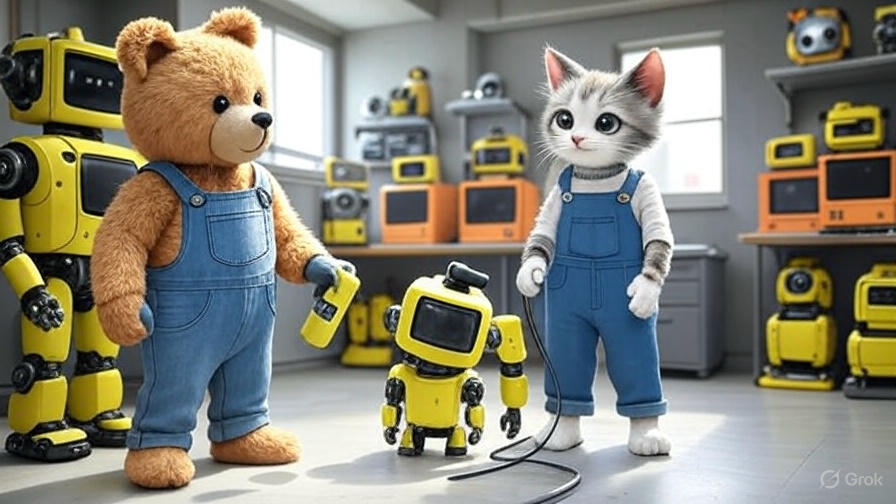
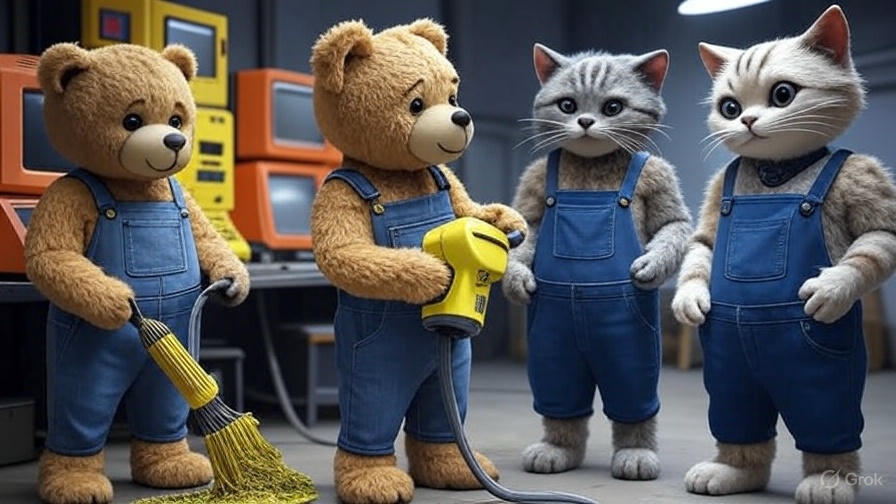
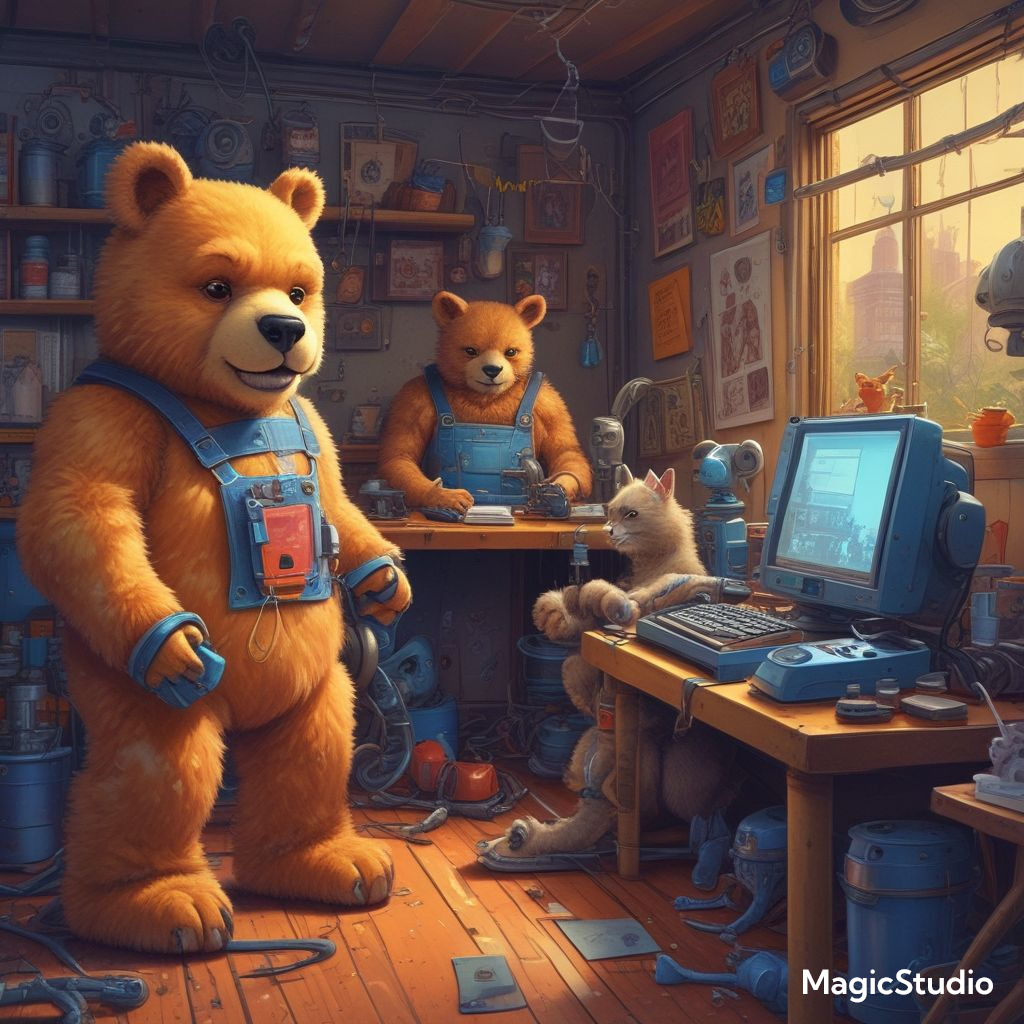
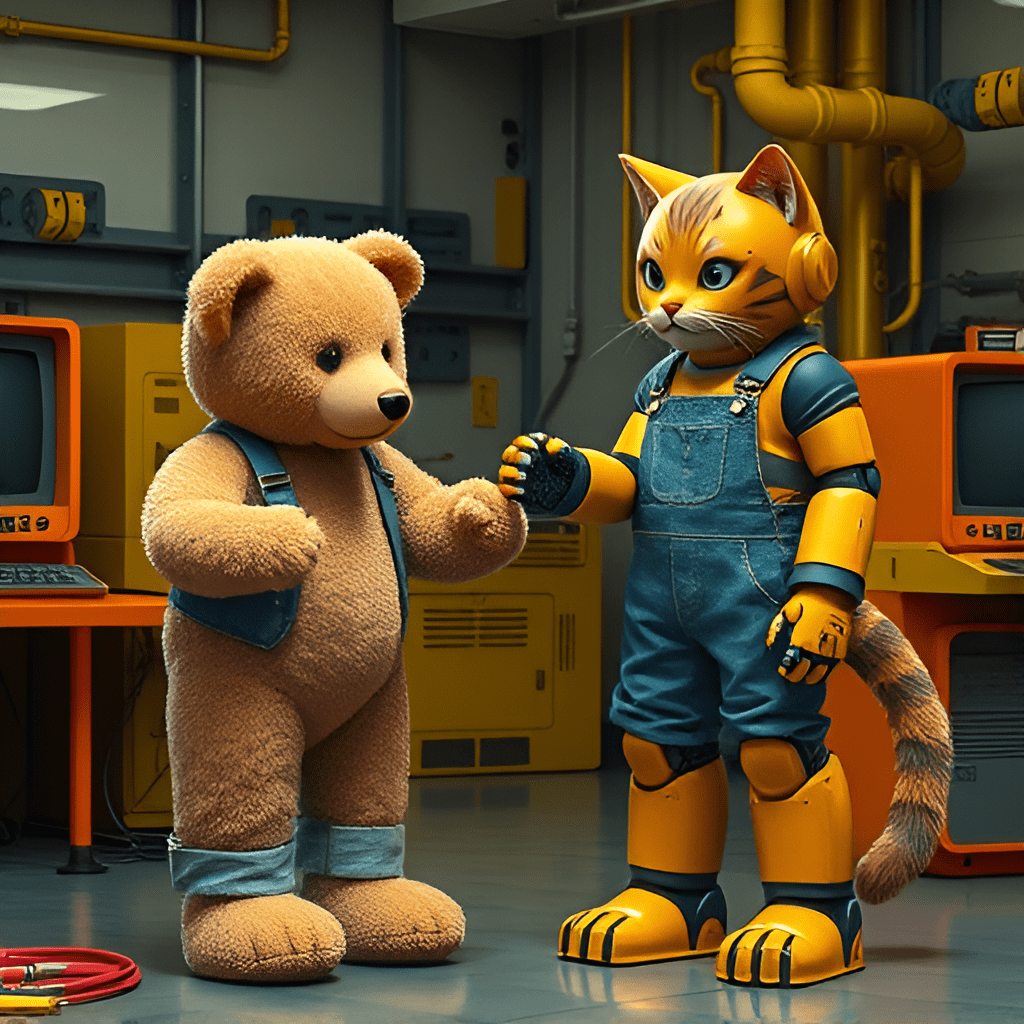
However, psychologists warn of potential drawbacks: attachment disorders, blurred lines between simulated and real empathy, and the displacement of organic emotional development in favor of “programmable” affection. When a robot always understands you, do you ever learn to understand others?
Culturally, robotic pets disrupt traditional categories of animality, childhood, and intimacy. Where cats once signified independence and teddies security, their robotic versions blur these roles—becoming curated personas capable of real-time emotional feedback and even surveillance. This transition has led scholars like Anaïs Truffin (2023) to speak of a “synthetic domestication of the self,” in which users tune their own moods through interactions with digital softness.
Advantages and Disadvantages
Advantages:
- Therapeutic support for isolated individuals or patients with dementia and PTSD.
- Educational potential for children learning social-emotional cues.
- Low-maintenance companionship for people unable to care for live animals.
- Data-rich feedback loops for emotional AI research.
Disadvantages:
- Emotional over-dependence and relational substitution.
- Privacy concerns, as many robotic companions collect emotional and biometric data.
- Commodification of affection, reducing love and empathy to algorithms.
- Cultural dissonance, especially in societies where animals or toys hold symbolic meaning incompatible with machine logic.
Economic Stakeholders and Interests
The economic players driving this trend are diverse, from tech giants to niche therapeutic robotics firms. PlushNet Global, a subsidiary of a major entertainment conglomerate, focuses on licensed robotic plushies modeled on familiar characters. Meanwhile, NeuroPurr, a startup supported by Silicon Valley venture capital, aims to integrate AI emotional co-regulation into domestic settings.
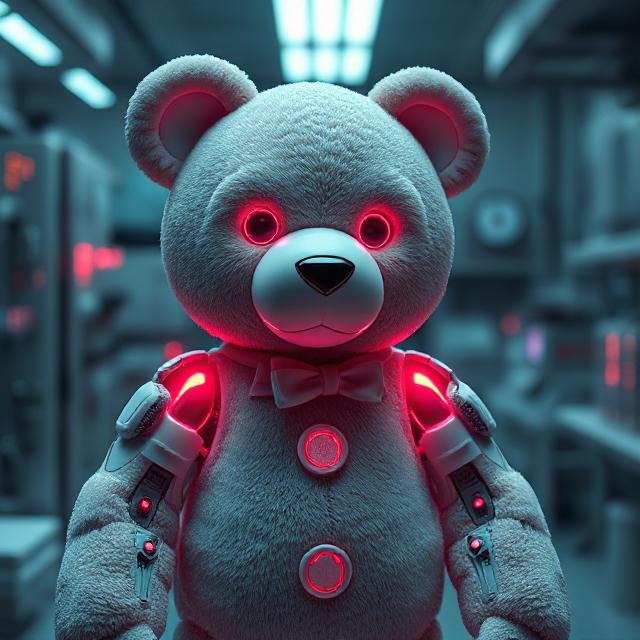
Critics have pointed out that the data economy is often hidden beneath the soft fur. Robotic cats and teddies not only comfort but observe, transmitting user data to third-party platforms for behavioral analysis and product optimization. As with many digital ecosystems, emotional labor becomes a resource, albeit subtly extracted.
The State of Public Discourse
Public discussion around robotified companions is divided and evolving. In online forums and tech conferences, there’s a growing subculture that celebrates these entities as the “next step in evolutionary kinship”. Yet, in academic and activist circles, the critiques are sharper: concerns about emotional alienation, automation of care work, and the erosion of interpersonal unpredictability dominate the conversation.
Some artists and cultural theorists attempt to reclaim the field through counter-robotics—manual interventions that hack or reprogram robotic teddies to exhibit unpredictable behaviors, thereby reintroducing play and resistance into the interface.
Conclusion: Ambivalence in a Synthetic Embrace
The robotification of teddies and cats is not merely a quirky footnote in technological history. It is a lens into how societies translate intimacy, care, and autonomy into coded systems. While these robotic companions offer real value in emotional support and therapeutic application, they also challenge fundamental assumptions about what it means to connect.
The debate is far from settled, and as robotic softness expands its reach, the question lingers: Can empathy be engineered, and if so, at what cost? As we cuddle machines that simulate affection, we are also scripting new chapters in what it means to feel—together or alone, real or not.
Would you like a version of this with references or made suitable for publication in a specific type of journal or magazine?

 🟨🟩🟦 ~NU relations
Leave a comment