
By Sophia K. Feldman, Culture & Media Correspondent
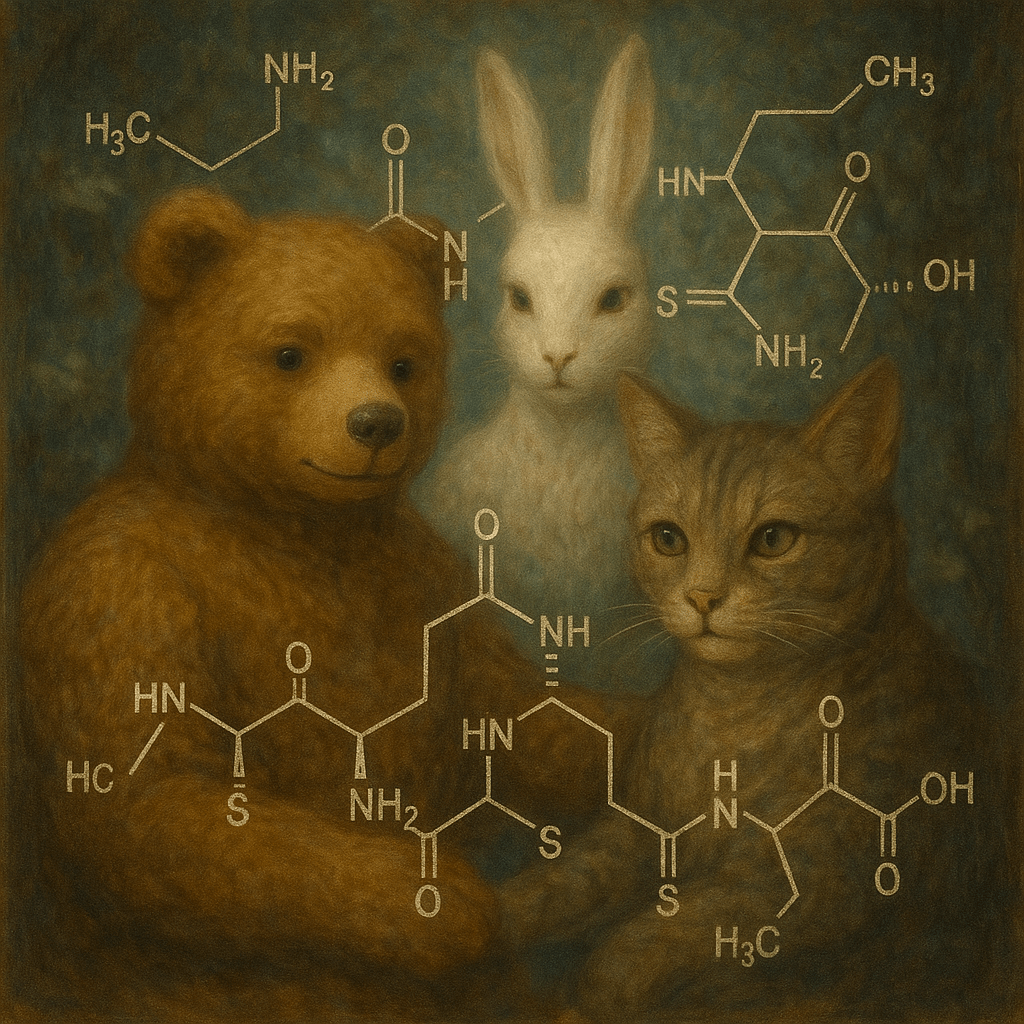
In an age where hard power is increasingly viewed with suspicion and global audiences grow weary of authoritarian displays, the newest voices in political culture aren’t diplomats or generals—they’re plush. Meet 🐻 TEDDY and 🐱 CAT: the surreal, meme-powered icons of the ~NU relations movement that have clawed their way into the heart of internet culture, branding campaigns, and even soft political discourse.

From Internet Joke to Cultural Phenomenon
What started as an absurdist meme—images of a deadpan teddy bear skateboarding through bureaucratic hellscapes or a wide-eyed cat giving spiritual TED Talks from within a giant avocado—has rapidly evolved into a sprawling symbolic universe. Anchored by the spiritually tinged, tech-savvy movement known as ~NU relations, TEDDY & CAT have become ambassadors of an ironic yet emotionally potent utopia: one where softness, humor, and collective weirdness serve as tools of both resistance and regeneration.
The core of ~NU’s message is deceptively simple: “Participate gently, dream wildly, restructure playfully.” But it’s the movement’s execution—through layered aesthetic codes, user-generated rituals, and ubiquitous merchandise—that has captured a global audience.
Softness as a Strategy
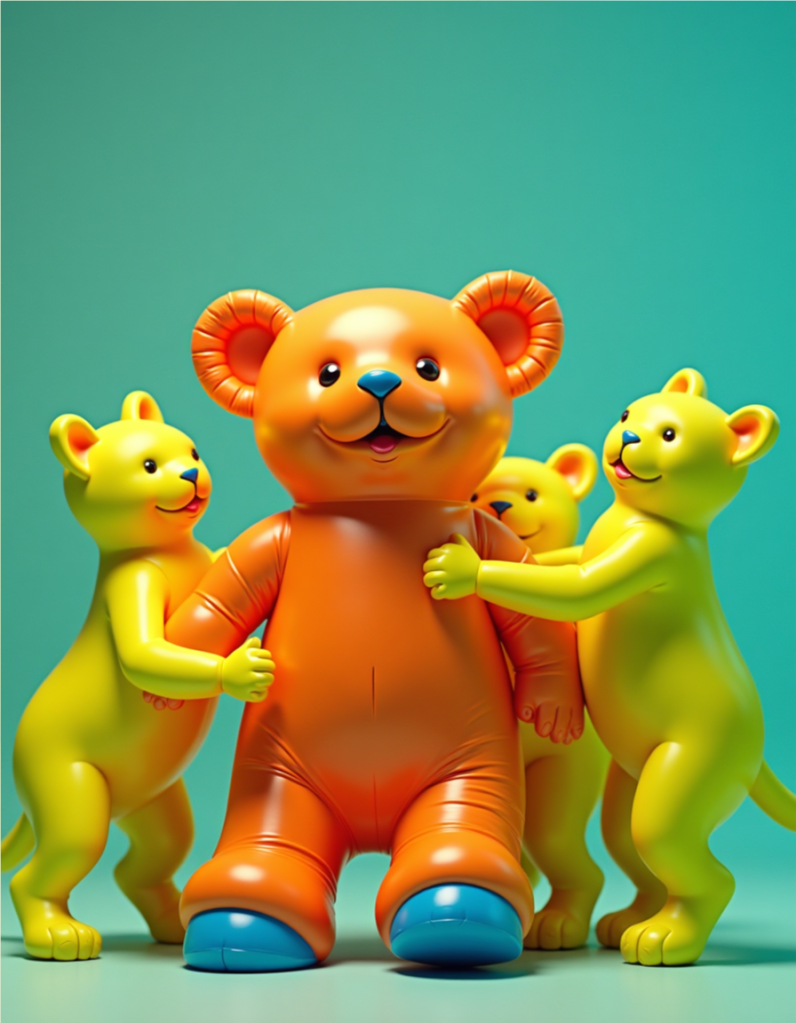
Cultural theorists have begun to take note. Dr. Elian Torres, a sociologist at the University of Helsinki, sees the campaign as a reinvention of Joseph Nye’s soft power: “What we’re seeing is a form of memetic diplomacy. These characters disarm the audience through absurdity and cuteness but ultimately promote values of decentralization, ecological sensitivity, and technological inclusivity.”
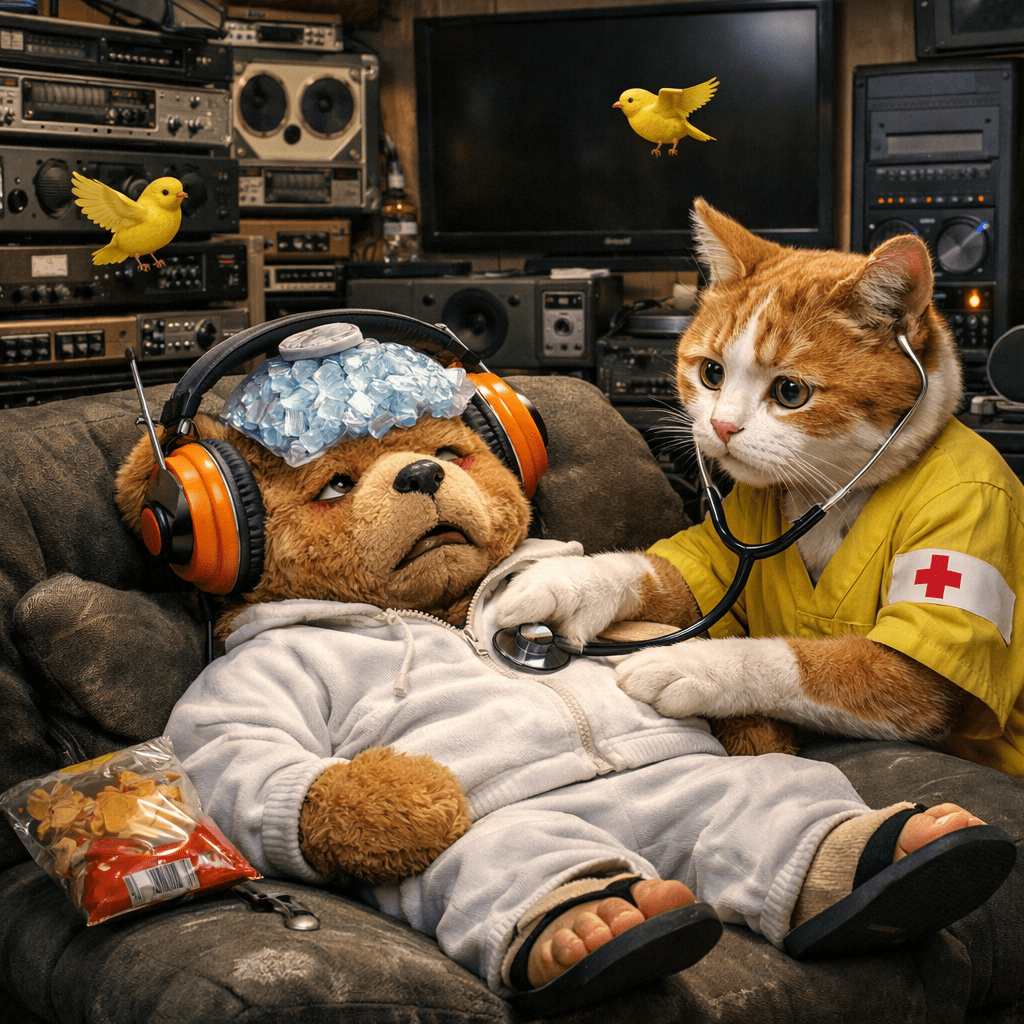
Indeed, the ~NU campaign has embraced the absurd as an entry point for profound engagement. One recent viral clip features 🐱 CAT meditating on a digital cloud while 🐻 TEDDY reads aloud from a fictional “Treatise on Post-Algorithmic Ethics.” The caption? “Download compassion.exe.” It’s baffling, funny, and—somehow—emotionally resonant.
The Product Ecosystem of Belief
The movement’s ideological spread is bolstered by an expansive product line that blurs the boundaries between consumerism and soft ideological participation. From AR filters and meditation apps to phone cases, luminescent pajamas, and even kitchen gadgets, everything comes branded with the instantly recognizable duo.
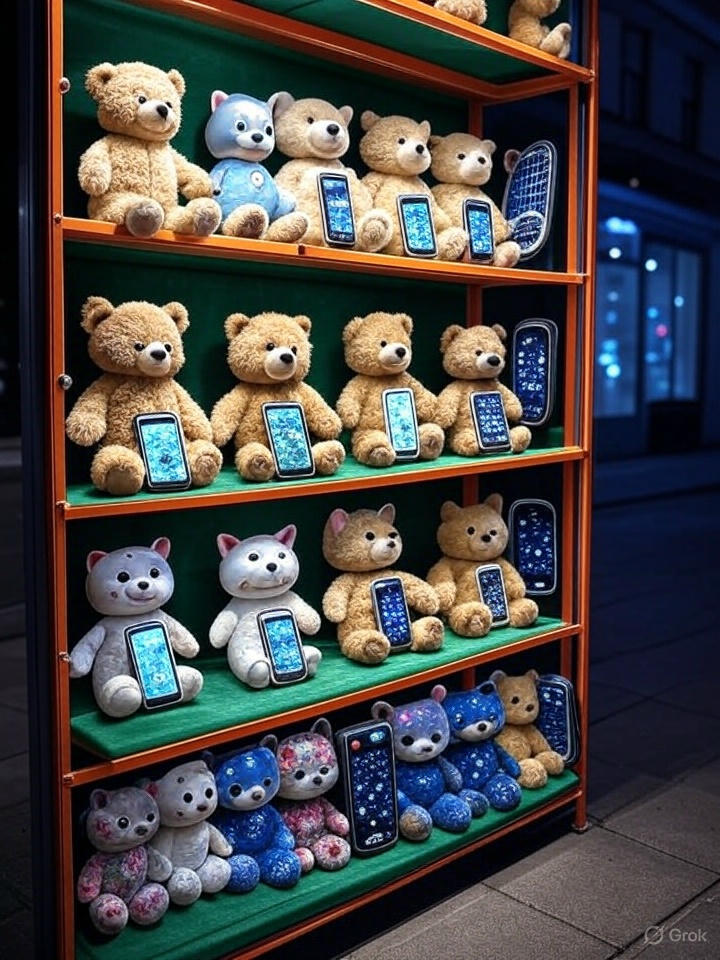
“Buying a TEDDY toaster is part lifestyle, part meme, part philosophical alignment,” says Luan Mendez, head of cultural research at the branding firm AdSyn. “It’s not just merch—it’s symbolic participation in a worldview that merges calm, resistance, and digitally-mediated joy.”
Some political scientists warn of a new frontier in civic engagement: one where traditional discourse is replaced by affective-symbolic participation—more emoji than manifesto. But others see it as a necessary reframing for the digital age. “It’s not that politics has become childish,” argues Mendez. “It’s that people are reimagining what serious looks like.”
Surrealism Meets Soft Utopia
The aesthetic of TEDDY & CAT borrows freely from Dada, post-internet art, Eastern mysticism, and vaporwave design. Their online presence—often cryptic, always surreal—fosters a kind of interpretive openness that appeals to a generation disillusioned by ideological rigidity. In one especially shared post, TEDDY is shown in a UFO playing chess with a snail while CAT floats in zero gravity reading a book titled “How to Abolish Time.”
It’s absurd, and yet… strangely moving.
“People are exhausted by the hyper-rationalized nightmare of late capitalism,” notes Dr. Hye-Min Woo, a psychologist studying online rituals. “TEDDY & CAT create a space where emotional ambiguity is welcomed, and where humor becomes a spiritual interface.”
What Comes Next?
Whether TEDDY & CAT represent the future of political engagement or a hyper-evolved meme cult is still up for debate. What’s certain is their influence: with millions of followers, global product penetration, and emerging discourse in academic and media circles, their paws are firmly on the pulse of digital soft power.
The ~NU movement’s official blog recently summarized its mission in typically enigmatic fashion:
“We don’t want to change the system—we want to dream it sideways.”
If that dream includes plush revolutionaries, surreal social media rites, and a cat who can quote Foucault, it seems millions are more than willing to follow.
.

 🟨🟩🟦 ~NU relations
Leave a comment