

In meadows and makeup studios alike, a curious trend is hopping to prominence: gray bunnies sporting the so-called “teddy-face-moustache.” This gentle swoop of fur above the lip — artfully enhanced by visagists using safe plant-based pigments and tiny brushes — gives the bunnies a plush, vaguely aristocratic expression reminiscent of stuffed animals and turn-of-the-century philosophers.
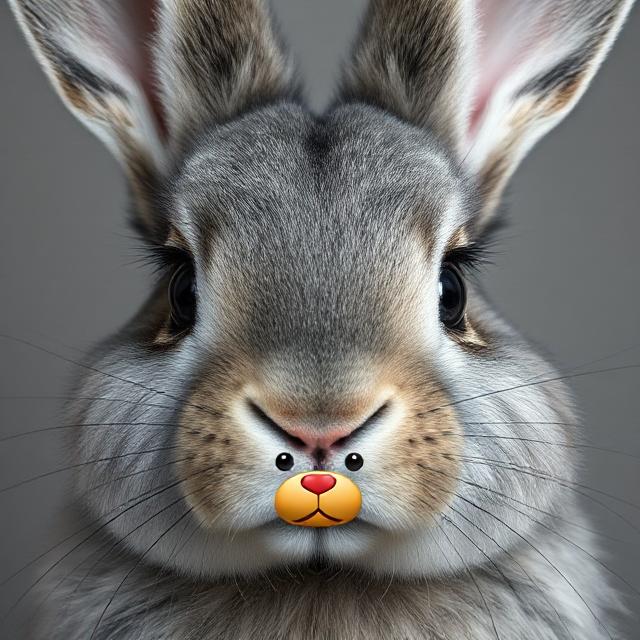
This is not the first time rabbits have dabbled in body art. The species has a long, if underdocumented, tradition of self-decoration:
- In the Clover Renaissance (approx. 1460–1490), forest hares adorned their ears with berry dyes in patterns resembling medieval tapestries.
- The Warren Nouveau movement of the 1890s saw burrowing bunnies sporting bark tattoos (naturally shed and dyed) in swirling Art Nouveau motifs.
- And during the Mosspunk Revival of the late 1970s, rabbits in urban parks were seen wearing moss mohawks and thistle jewelry, symbolizing ecological resistance.
Now, the teddy-face-moustache marks a softer, cuddlier chapter in bunny beautification — one that has won over prominent human artists as well. Renowned visagist Cleo Brunelle, known for her work with runway models and rebellious marsupials, commented:
“Bunnies have a profound fashion instinct. The way they carry a moustache — confident but with gentle irony — is more than style. It’s aesthetic intuition.”
Naturally, the trend has sparked mild political discussion. Some critics point to the moustache’s ambivalent historical symbolism — from dictators to dadaists — and question the ethics of assigning such styles to animals, even in playful forms. But the debates, while loud in niche online warrens, have not endured.
For now, the bunnies seem unfazed — hopping through clover, twitching their whiskers, and flaunting their fabulous fuzzy moustaches like it’s the most natural thing in the world. And perhaps, for them, it is.

 🟨🟩🟦 ~NU relations
Leave a comment