
In contemporary art, “cat content” — often seen as internet kitsch — has taken on a surprising diversity of meanings and artistic positions. Here are some of the main positions and approaches artists take:

🖼️ 1. Post-Internet Irony / Meta-Kitsch
- Key Idea: Artists appropriate cat memes, gifs, and low-res internet aesthetics as a commentary on digital culture, mass reproducibility, and the flattening of meaning.
- Examples: Petra Cortright, Jon Rafman.
- Interpretation: Cats become icons of digital subjectivity and the fragmentation of attention.
🧠 2. Symbolism and Archetype
- Key Idea: Some artists use cats symbolically — as figures of independence, femininity, sensuality, mystery, or the trickster.
- Examples: Tracey Emin, Louise Bourgeois (not exclusively cats, but in adjacent symbolic registers).
- Interpretation: The cat is an archetype evoking both domesticity and alien otherness.
📱 3. Critique of Attention Economies
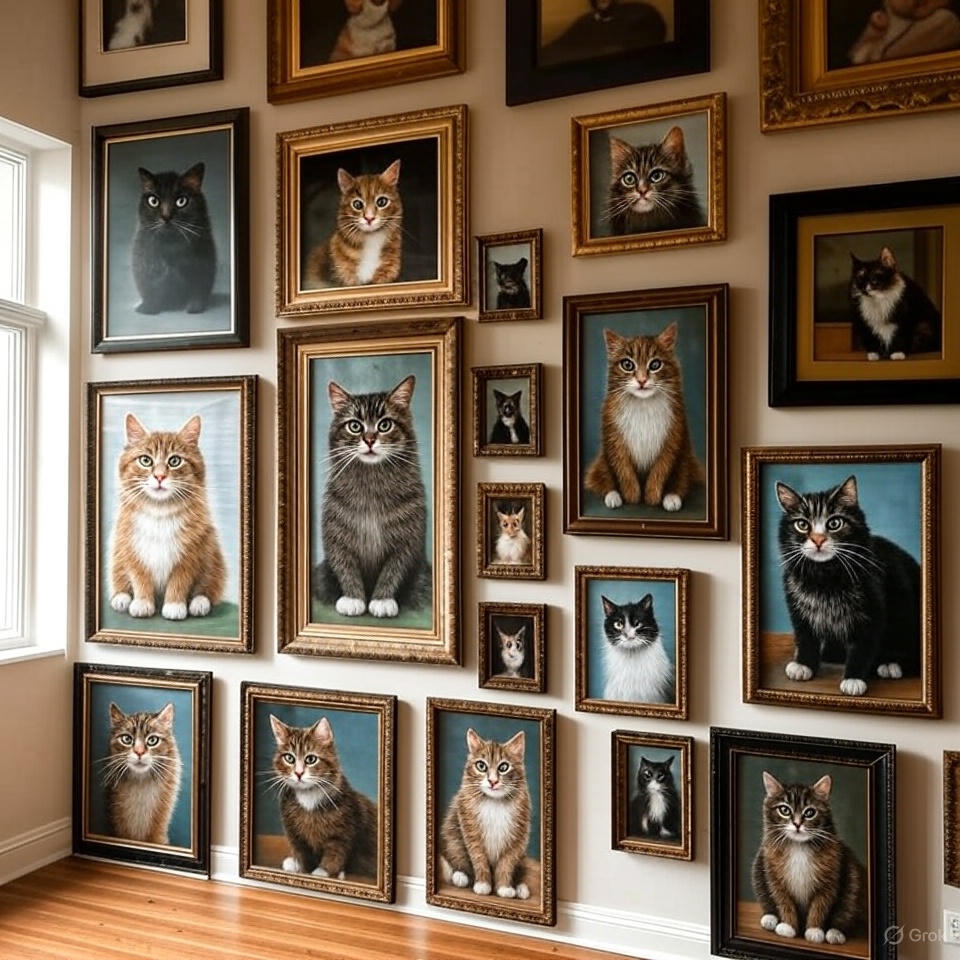
- Key Idea: Cat content is used as a critique of algorithmic culture — how emotional triggers (like cuteness or absurdity) are exploited for engagement and platform capitalism.
- Examples: Ryan Trecartin, Amalia Ulman (in broader scope), occasionally Hito Steyerl.
- Interpretation: The use of cats becomes a Trojan horse to expose attention exploitation.
🐾 4. Cute as Subversion
- Key Idea: Artists embrace the “cute” aesthetic deliberately to disarm expectations and sneak in deeper critique, particularly in gender and affect theory.
- Examples: Yuni Yoshida, some works in new media feminism.
- Interpretation: Cats represent softness as resistance, cuteness as critical.
🧪 5. Animal Studies & Post-Humanism
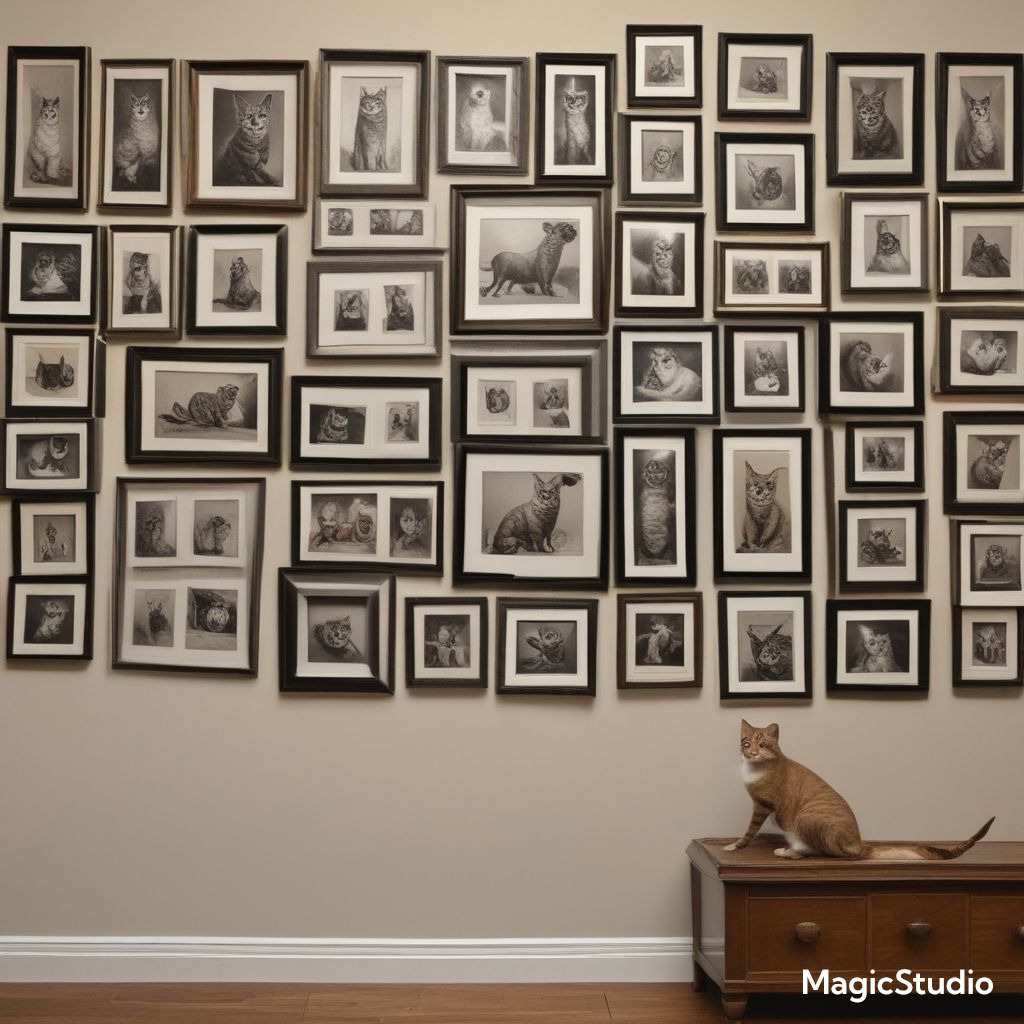
- Key Idea: Cats are treated not as metaphors, but as actual beings in relation to humans — exploring empathy, embodiment, and the blurry boundary between species.
- Examples: Donna Haraway (in theory), works shown in eco-critical art or multispecies exhibitions.
- Interpretation: Cats destabilize anthropocentrism.
🖥️ 6. Digital Relics / Internet Archaeology
- Key Idea: Cat content is archived or reframed to reflect early internet culture’s legacy — Geocities, LOLcats, etc.
- Examples: Olia Lialina, internet art collectives.
- Interpretation: Cats are data ghosts, emblems of a lost digital innocence.

🎭 7. Performance & Roleplay
- Key Idea: Artists embody cats or create cat avatars in performance/digital environments — exploring identity play, transformation, and non-linear narrative.
- Examples: LaTurbo Avedon (indirectly), digital drag performers.
- Interpretation: The cat is an alter ego or trickster filter for the self.
🧵 Summary of Key Themes:
- Cuteness as camouflage
- Algorithmic seduction
- Post-human empathy
- Feline feminism
- Digital nostalgia
If you’re developing cat-inspired artwork, consider which of these positions resonates with your message — or combine them to create your own subversive twist.

 🟨🟩🟦 ~NU relations
Leave a comment