
In the evolving terrain of digital aesthetics and sociotechnical affect, few figures have proven as persistently resonant—and quietly subversive—as the teddy bear and the cat. Once relegated to childhood comfort and domestic memehood, their digitized incarnations have now been co-opted as emotionally coded agents within the emergent symbolic framework of “~NU relations.” These entities—anthropomorphized, hyperreal, and often AI-generated—have transcended their cultural roles, becoming pillars in a new kind of softveillance: an ambient, affect-driven surveillance that structures perception through warmth, familiarity, and algorithmic modulation.
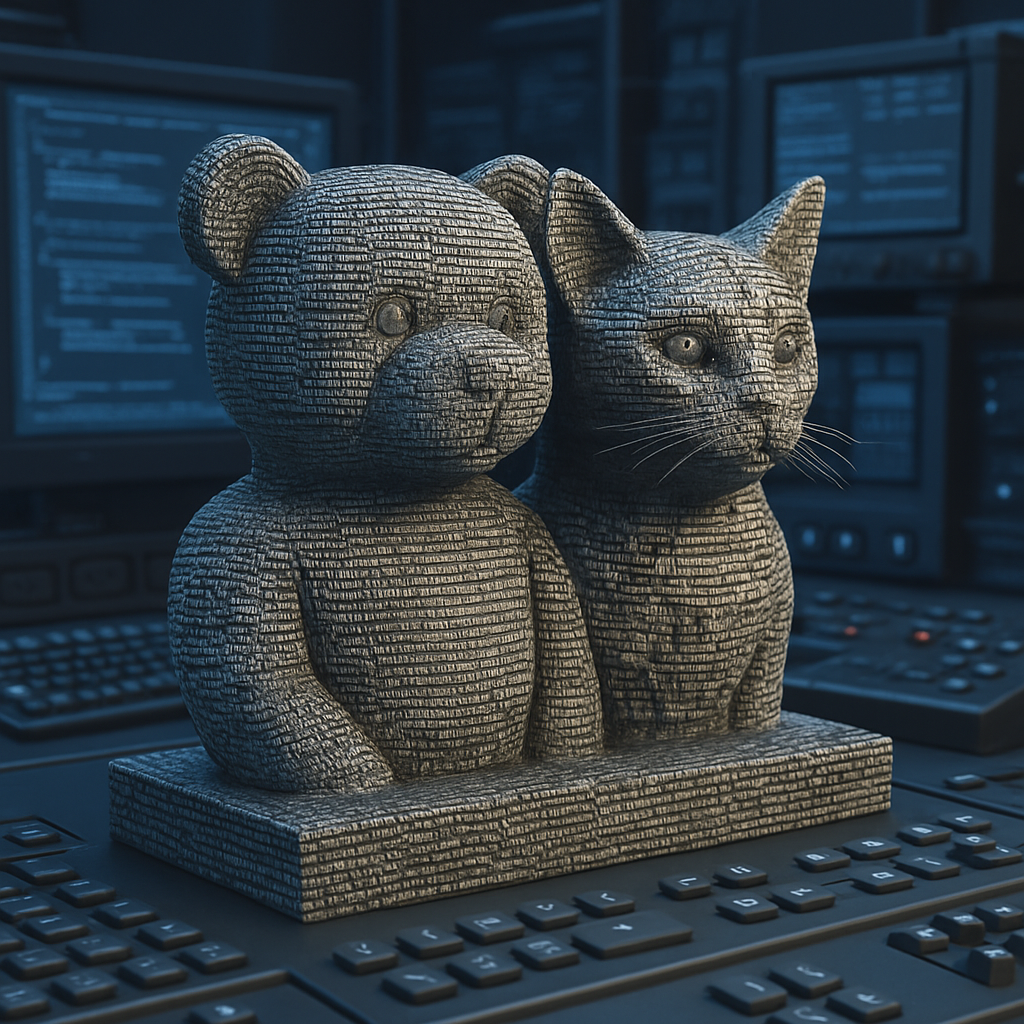
🧸🐱 Softveillance & Symbolism in ~NU Relations
Softveillance is not the panopticon of Orwellian fear, but rather a comforting kind of watching—embedded in interface design, personalization algorithms, and emotionally resonant icons. Within the lexicon of ~NU relations—a speculative symbolic-affective structure blending ecological entanglement, semiotic drift, and post-digital kinship—the teddy bear and the cat emerge not as mascots but as mediators.
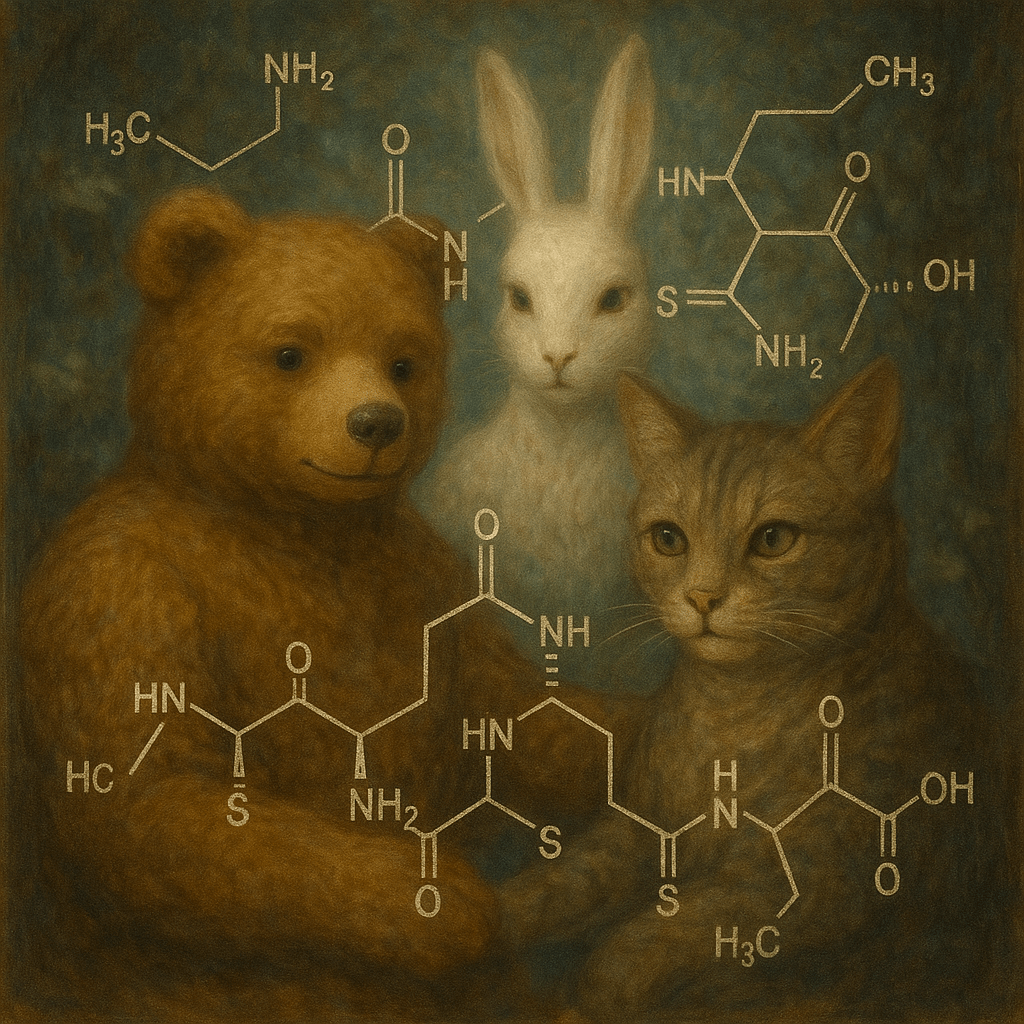
The teddy bear, representing thermal emotional memory, anchors digital affect through nostalgia and emotional bonding. In contrast, the cat symbolizes chaotic indeterminacy, offering a sense of unpredictability and autonomy. Together, they encode a feedback loop of comfort and resistance, stabilizing user engagement while also opening subtle cracks in hyper-optimized attention economies.
🌐 Cybernautical Drift and Distributed Imagery
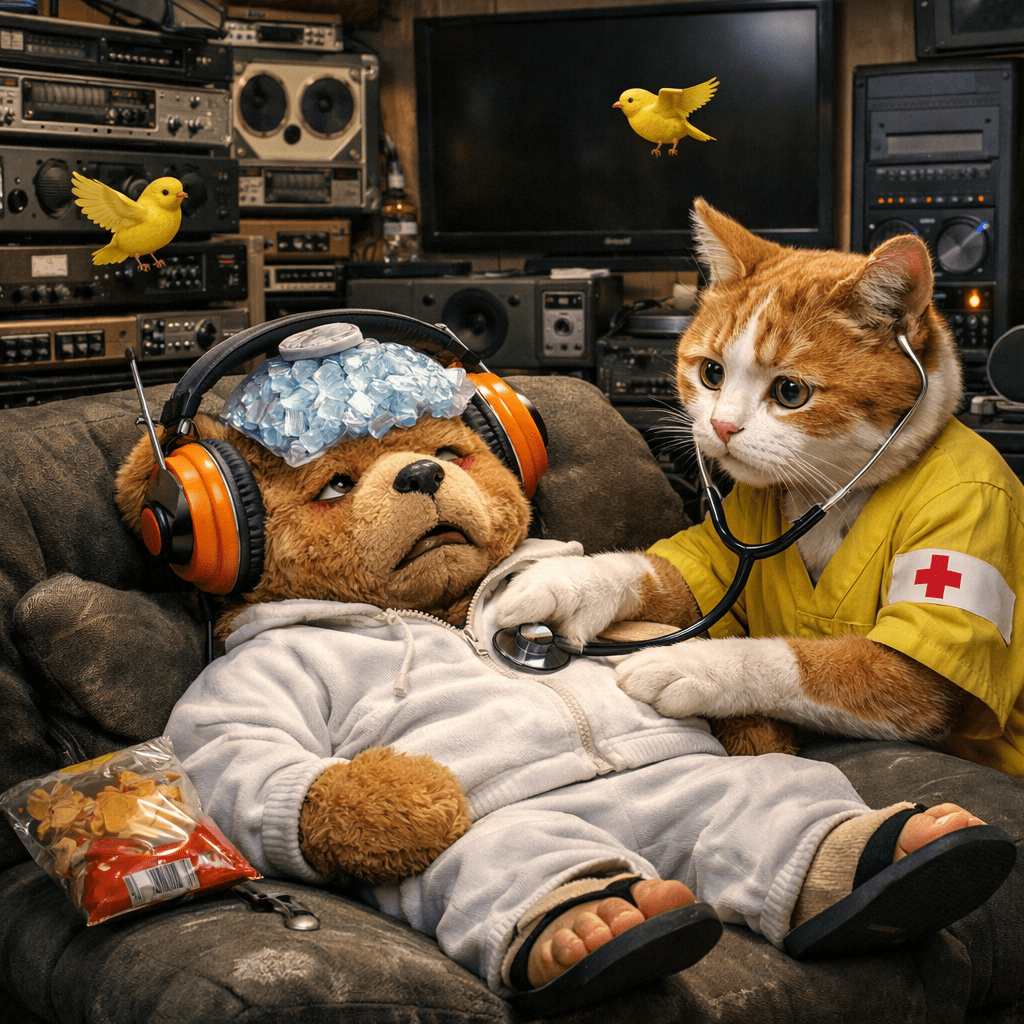
Outside the formal ~NU discourse, the cybernautical movement—an aesthetic-political drift through networks, simulations, and synthetic identities—has adopted these figures almost instinctively. Across TikTok, Pinterest, Instagram, and Discord servers, users remix, render, and ritualize cats and teddy bears in absurd, subversive, or utopian settings. These are no longer just pets or plush toys, but ideograms of a distributed psyche, moving in and out of ironic memes, ambient 3D spaces, and melancholic dreamcore videos.
AI art accelerates this transformation. Platforms like Midjourney, DALL·E, and Runway ML generate endless variations of bears and cats as cyber-monastics, glitch-guardians, or emotion-syntax carriers. These representations do not simply reflect culture—they recode it, reorienting visual standards in mass media around affective accessibility and recursive strangeness. What was once cliché is now post-ironic glyphware—symbols re-entering mass consciousness via a new aesthetic language.
📸 Rescripting Mass Media Icons
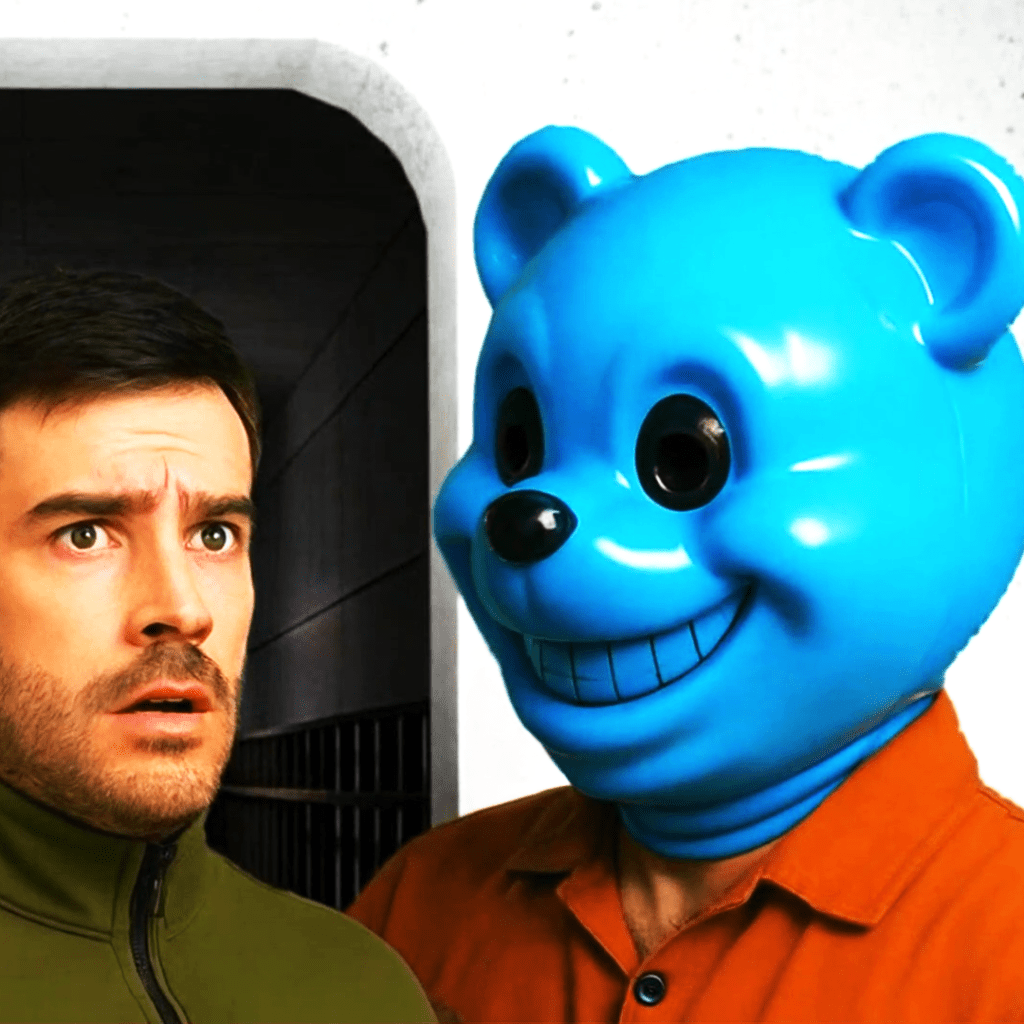
As these AI-generated figures proliferate, they are redesigning the iconographic DNA of mass media itself. Advertisements, UX mascots, branding campaigns, and even medical interfaces increasingly rely on soft, rounded, emotionally intelligent avatars—often not unlike the latest neural-network-bred teddy bear or stylized cat.
This is not just marketing—it’s ontological drift. The world is subtly being taught to relate through mediated softness, even as data extraction and behavioral nudging intensify beneath the surface. In this way, digitized teddy bears and cats don’t just symbolize softveillance—they perform it.
🔚 Conclusion
In the post-human cloud of social media aesthetics, the digitized teddy bear and cat have become more than companions or mascots: they are ~NU agents, operating at the nexus of emotional computation, media semiotics, and algorithmic culture. Spread by AI art and enshrined in visual algorithms, they now shape the grammar of perception, and in doing so, train us to feel watched not with fear—but with familiarity.

 🟨🟩🟦 ~NU relations
Leave a comment