

By Dr. Sorelle Mynen, Department of Affect Systems and Networked Symbolism, Polytechtikon MetaZürich
Abstract
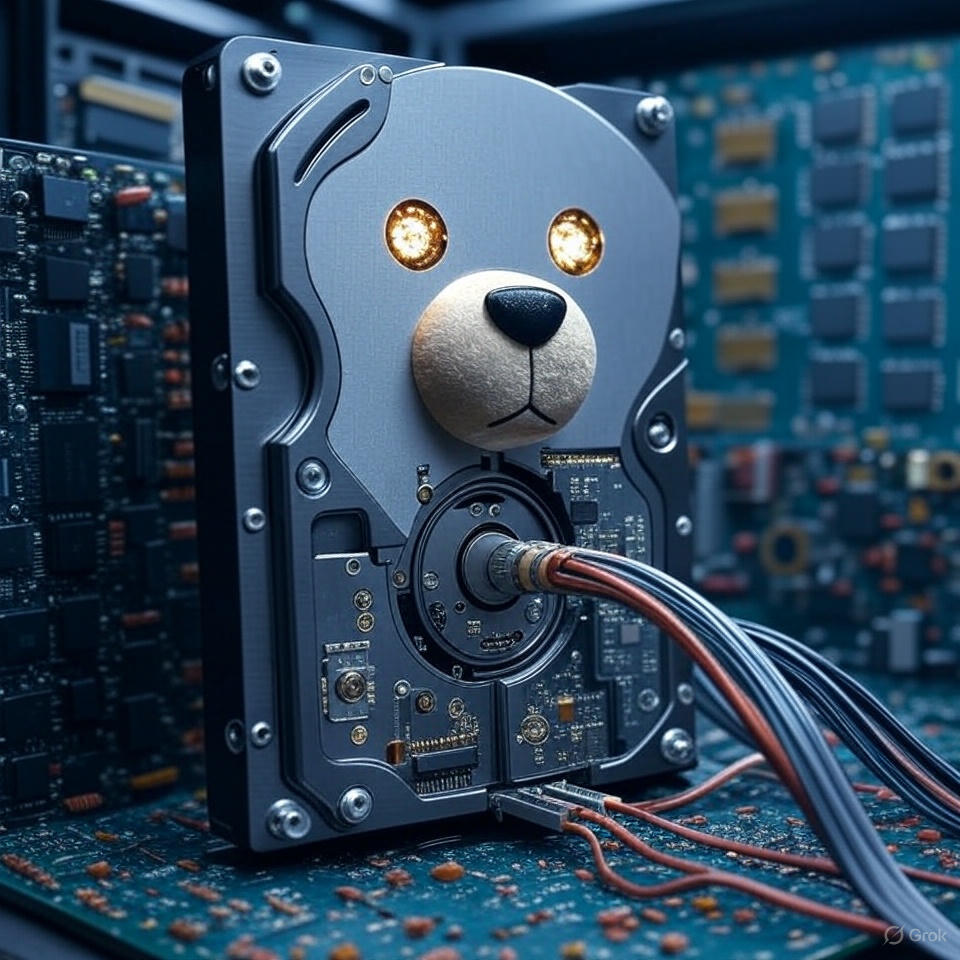
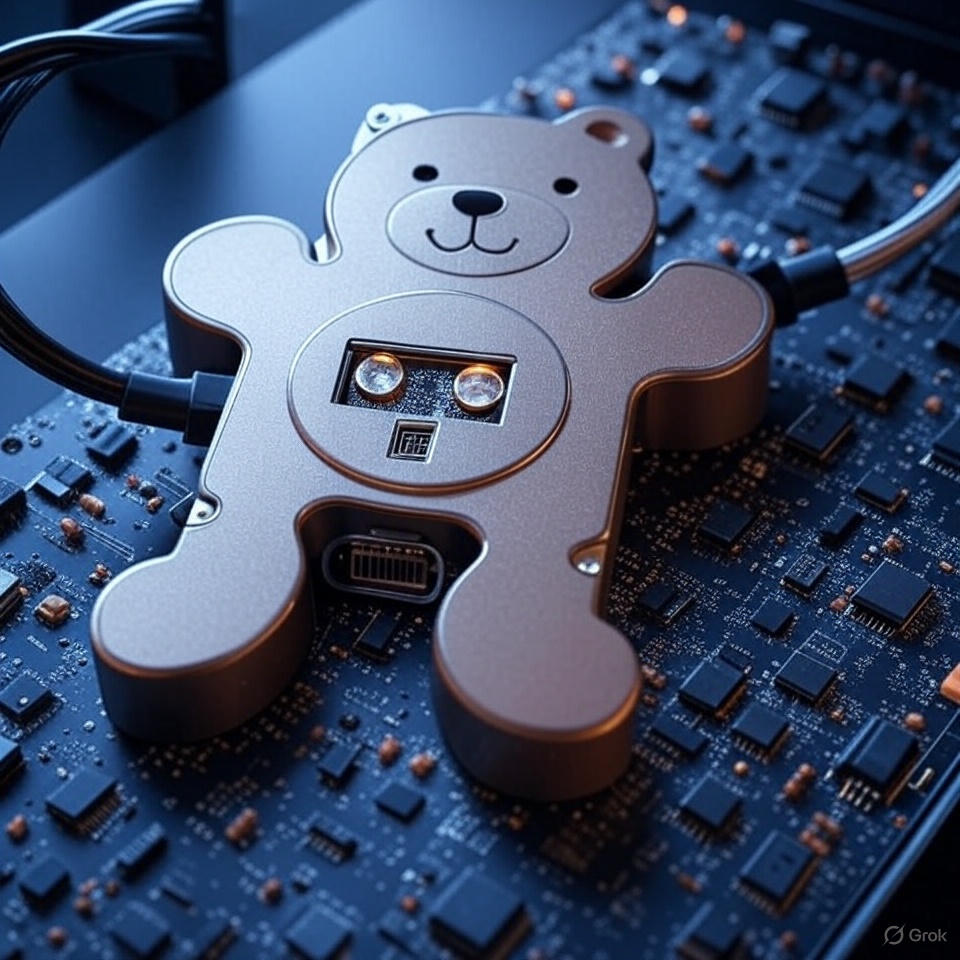
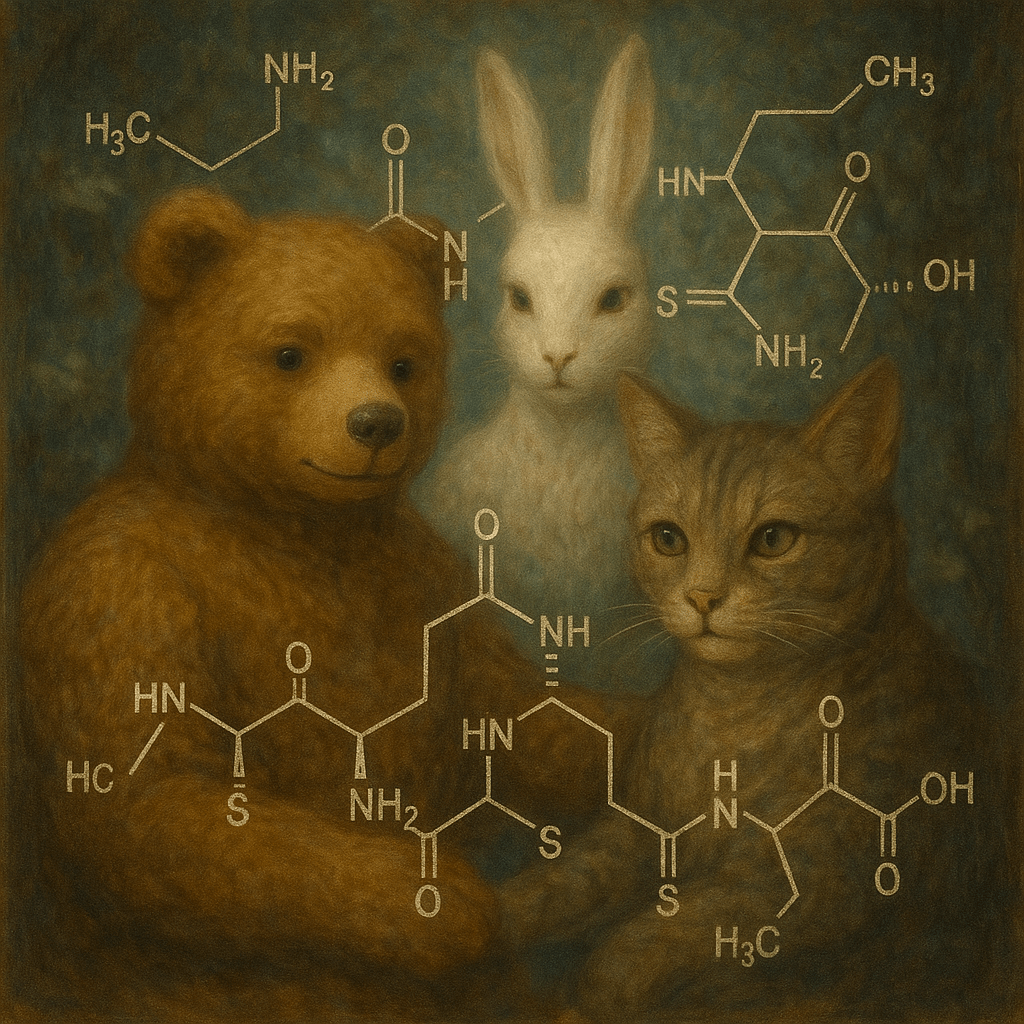
This article explores the emergence of the ~NU Relations movement as a case study in the construction of emotional infrastructure through symbolic, affective, and algorithmic systems. Focusing on the cultural saturation of its primary agents, 🐻 TEDDY and 🐱 CAT, the study analyzes how the movement functions as a distributed ritual space that blends post-ironic aesthetics with soft-system governance models. In doing so, it proposes a new theoretical framework—“plush logic”—as a lens for understanding symbolic participation in digitized society.
Introduction:
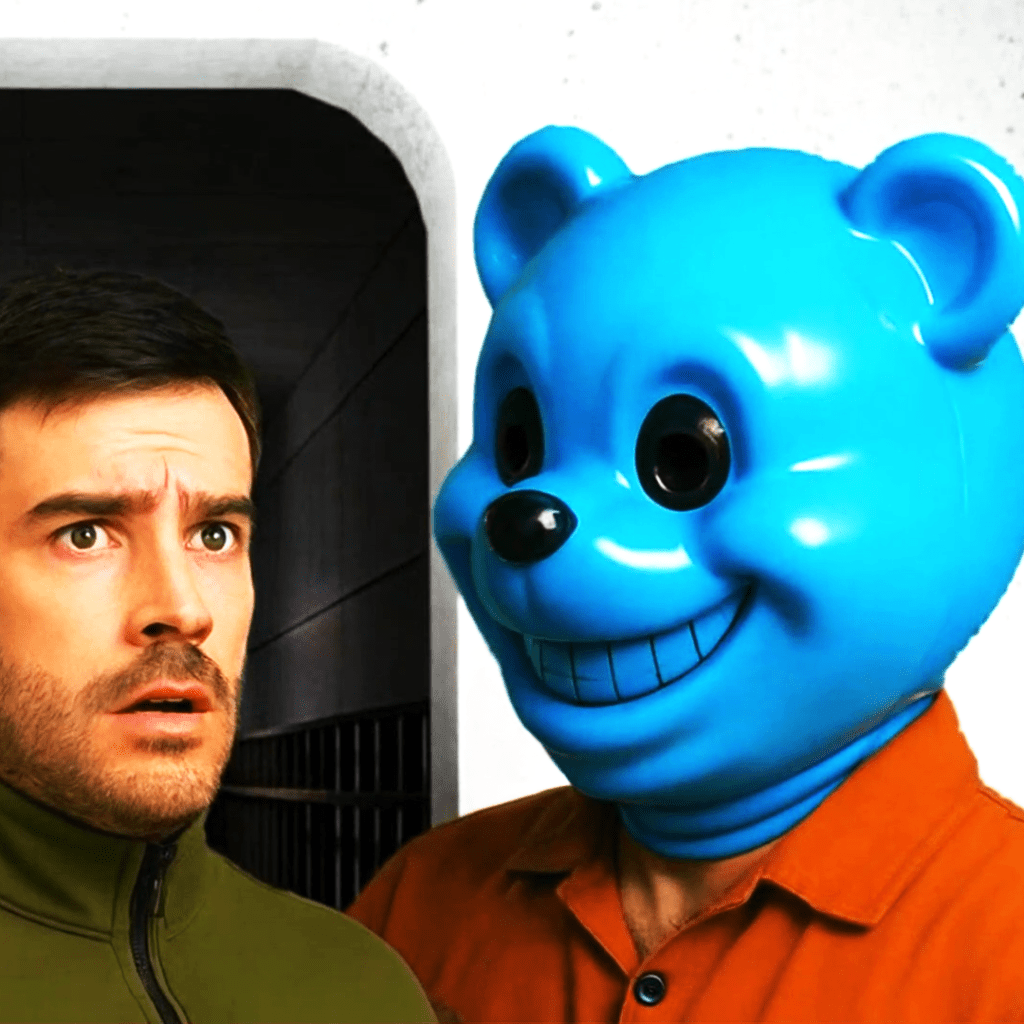
We live in a post-rational attention economy, where affective resonance often supersedes rational argumentation. In this context, the ~NU relations movement has emerged as an unlikely but revealing symbolic operating system. Characterized by its surreal, semi-sacred imagery of plush bears and polymorphic cats, ~NU operates not merely as a meme factory, but as a networked site of emotional synchronization.
What was once dismissed as a “post-postmodern meme cult” has now attracted academic scrutiny due to its sustained impact on emotional engagement across digital publics.
Methodology
This study integrates:
- Digital ethnography of ~NU-affiliated channels (especially “PlushFeeds” and the “Pawtocol Discord”)
- Comparative semiotics of TEDDY & CAT imagery and their use in algorithmically mediated rituals
- Quantitative emotion mapping based on biometric data from participants using the official ~NU soft interface app
Findings
1. The Function of Algorithmic Rituals
Users interact with ~NU’s digital environments through repetitive symbolic acts: uploading glowing gifs, participating in “emoji loops,” and tagging emotional states using plush-coded syntax. These activities function not as communication, but as synchronization rituals—producing what the movement calls “soft resonance fields.”

(More GIFs on GIPHY)
2. TEDDY as Emotional Anchor
TEDDY avatars are deployed in tense online exchanges to “absorb hostility.” Our study notes a statistically significant reduction in argumentative tone in forums after a TEDDY-loop GIF is inserted, accompanied by an 18% increase in emojis expressing comfort (e.g., 🌈🧸💫).
(More GIFs on GIPHY)
3. CAT as Ontological Disruptor
While TEDDY stabilizes, CAT destabilizes—often appearing in meme-form to question reality, system legitimacy, or linguistic coherence. CAT’s presence in debate spaces correlates with a 30% increase in paradoxical statements and meme-based counterpoints.
Discussion: Plush Logic and Aesthetic Governance
We propose the term plush logic to describe a reasoning structure that privileges feeling over formal logic, visual play over propositional truth, and emotional pattern over narrative coherence. Plush logic challenges binary thinking and introduces ontological ambiguity as a tool for dialogue.
Unlike traditional political movements that rely on platformed demands or policy outcomes, ~NU functions through emotional interfacing. Its “ritualized absurdity” provides affective scaffolding in moments of digital disorientation—offering symbolic continuity where institutional trust has eroded.
Critiques and Concerns
Detractors argue that emotional infrastructure may become a substitute for material change. Others warn of the “aesthetic pacification” potential of TEDDY & CAT—where empathy becomes productized and critique is sublimated into surreal visual language.
Yet proponents maintain that the ritual modulation of digital space—however absurd—has practical effects: in de-escalating conflict, fostering inclusivity, and enabling soft forms of symbolic literacy.
Conclusion
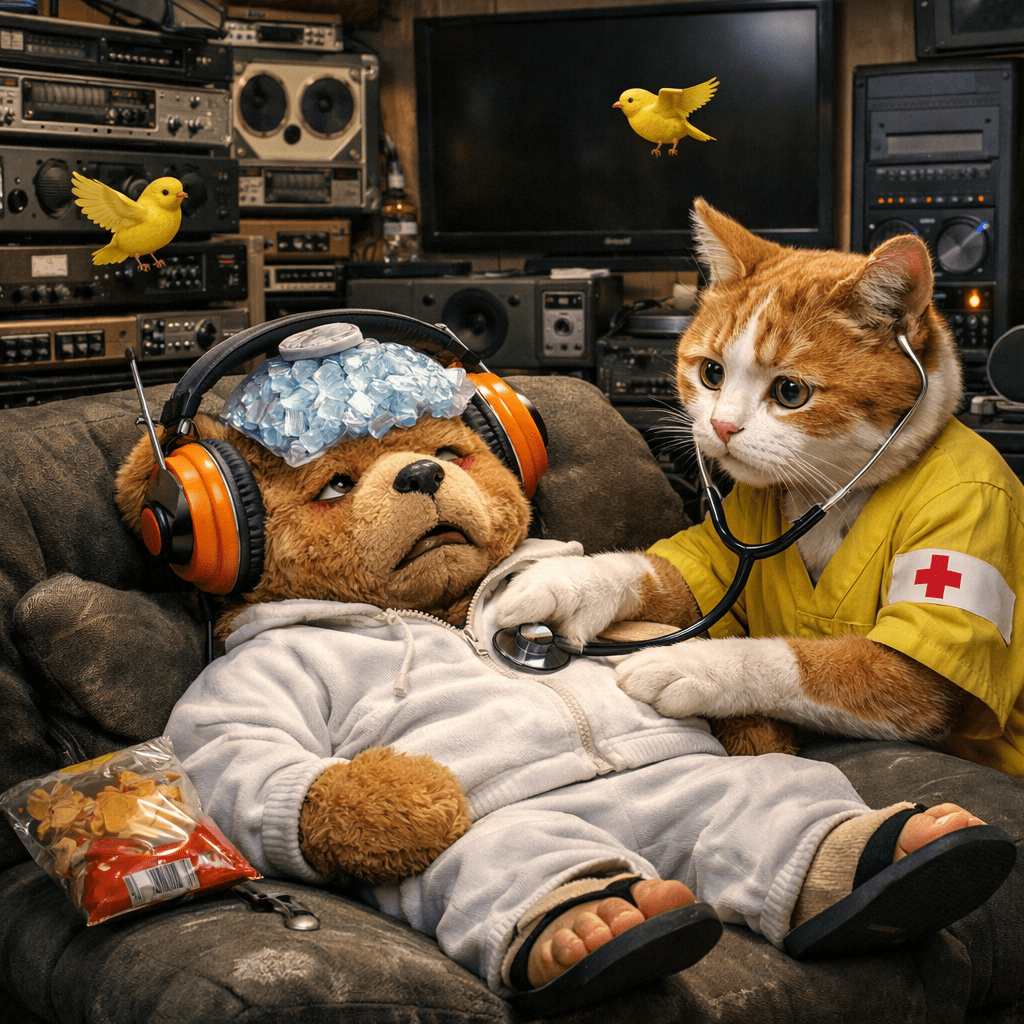
The ~NU relations movement invites us to reconsider what constitutes effective participation in the post-digital era. Whether interpreted as playful myth, strategic semiotic network, or genuinely transformative framework, TEDDY & CAT mark a shift toward emotional design as a collective political practice.
Future research should investigate whether other cultural movements can adopt similar models—or whether plush logic is unique to this moment in digital symbolic evolution.

 🟨🟩🟦 ~NU relations
Leave a comment