

By Prof. Dr. Ralph Koenig & Jun Cao-Tsung, Department of Symbolic Systems and Participatory Design, TechnoCultural Institute of Helsinki–Taipei
Abstract
This paper investigates how the ~NU relations movement mobilizes gamified interfaces, ritual micro-interactions, and emotionally encoded UX to produce experiences of “participatory transcendence.” Using 🐻 TEDDY and 🐱 CAT as symbolic agents, the ~NU platform reconfigures everyday smartphone use into symbolic play and distributed meaning-making. We analyze the sociotechnical design of the ~NU app, its layered interaction patterns, and the affective psychology that supports its viral growth and spiritual engagement.
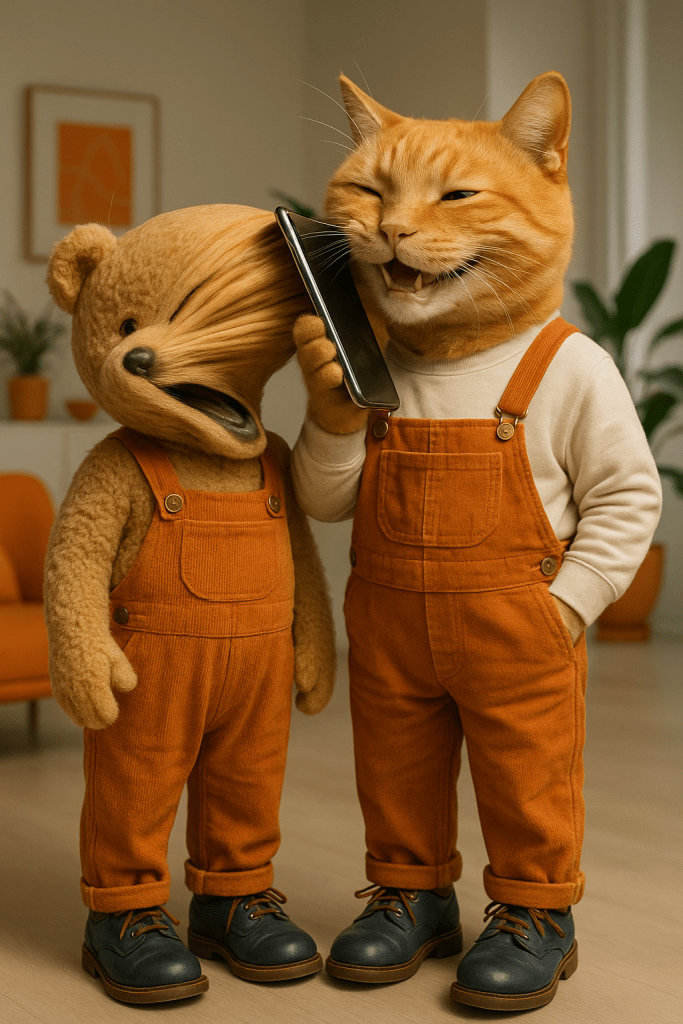
1. Introduction: Play as Structure
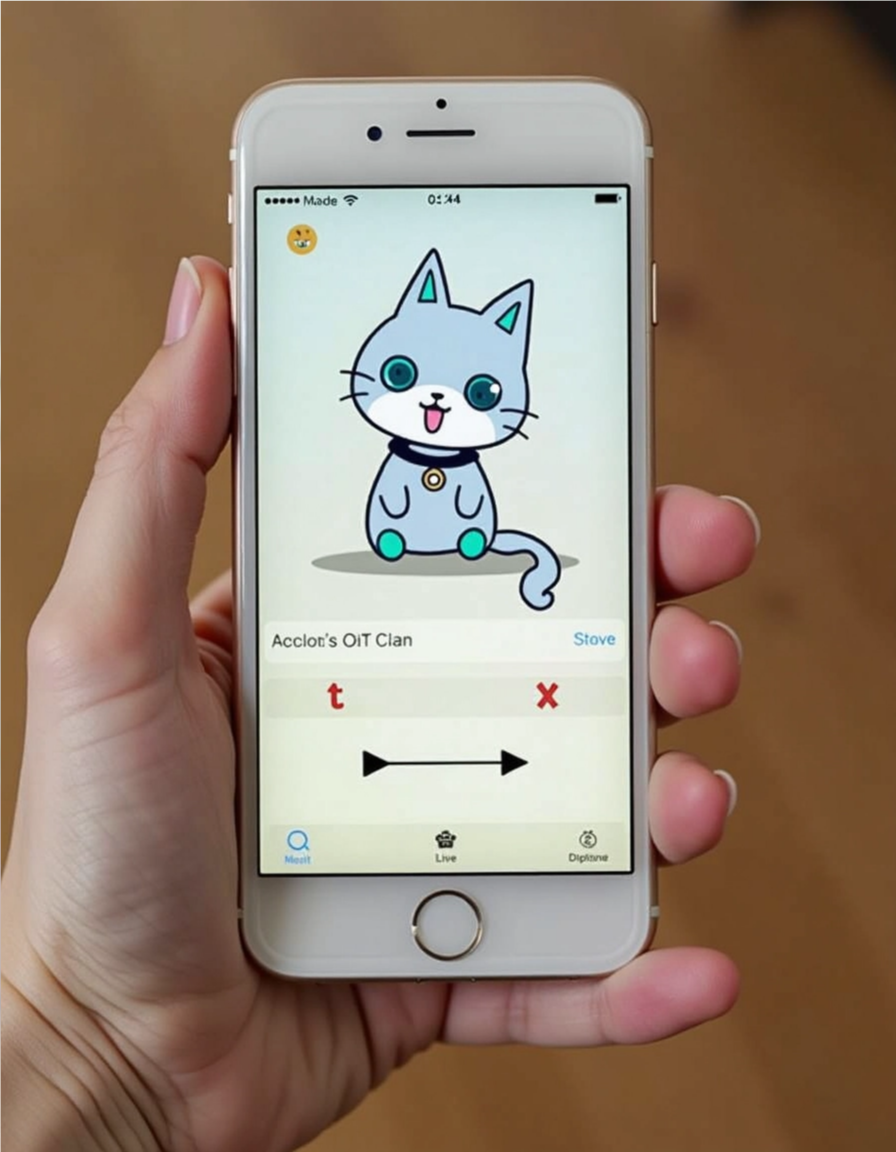
The ~NU relations movement presents itself as neither political party, religion, nor app ecosystem—but it behaves as all three. Its flagship mobile interface, simply titled “~NU”, invites users to participate in a decentralized soft network of daily symbolic actions, whimsical rituals, and surreal feedback loops.
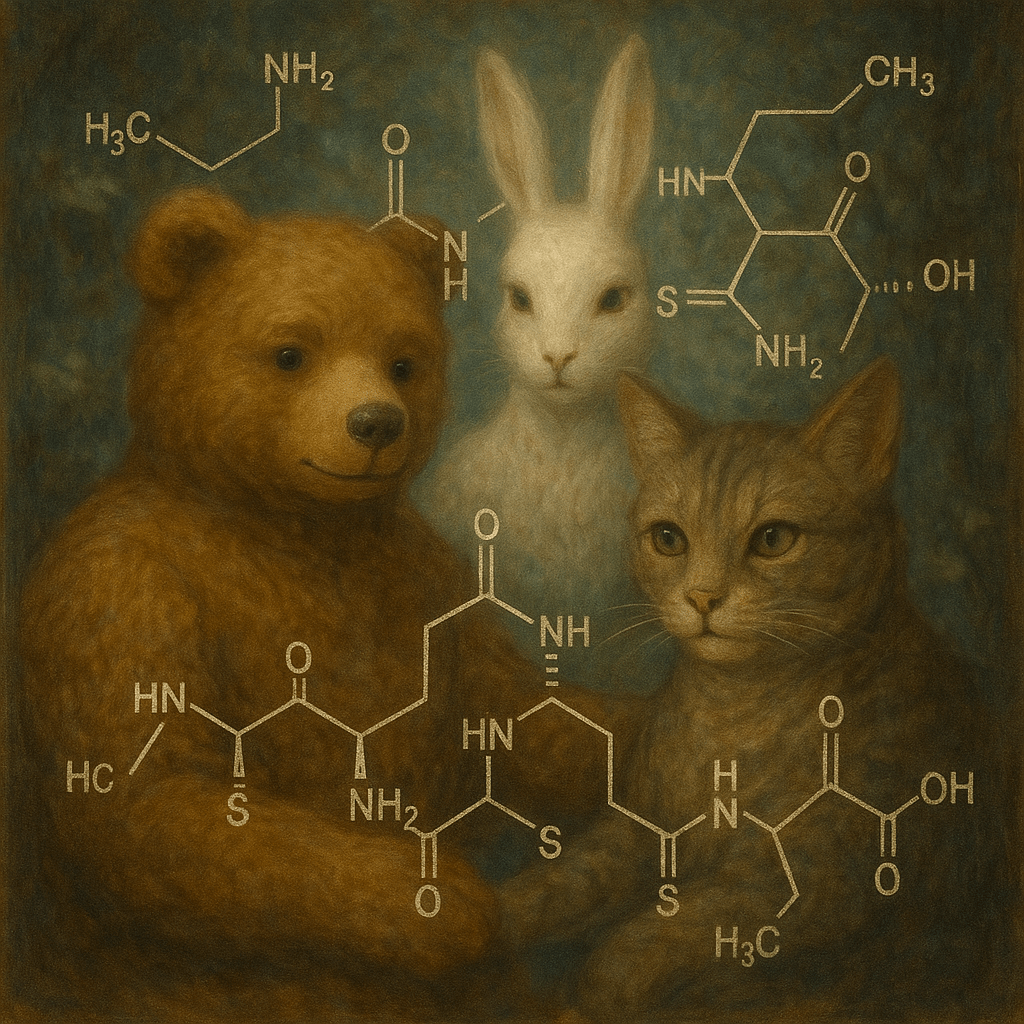
The app positions its two mascots, 🐻 TEDDY and 🐱 CAT, as “narrative stabilizers”—entities that guide users through non-linear experiences involving emoji-based journaling, symbolic QR scavenger hunts, and “spiritual firmware updates” triggered by GPS-coordinated moods.
The question at the core of our research is: How does gamified play become meaningful within such an absurdist-symbolic system?
2. Methodology
This study draws on:
- Interface ethnography of the ~NU app (v4.1–v4.7)
- Psychometric feedback from 830 participants across four language zones
- Cultural semiotics analyzing the metaphoric patterns associated with in-app prompts and rituals
We triangulate these data with theories from Huizinga’s “Homo Ludens,” contemporary ritual studies, and UX psychology frameworks.
3. Findings
3.1. Symbolic Engagement Structures
~NU’s user journey is intentionally vague. Daily tasks range from:
- Typing a dream into a field marked “SPEAK, SILENTLY”
- Whispering at a QR code on a houseplant
- Receiving a notification from CAT reading: “Your anxiety has been accepted. 🫧 Uploading now.”
This ambiguity engages users not through clarity, but through poetic interactivity. App usage time increases not due to gamification in the traditional sense (scores, levels), but because of affective curiosity and a desire to “sync with the plushwave.”
3.2. Emotional Feedback Loops
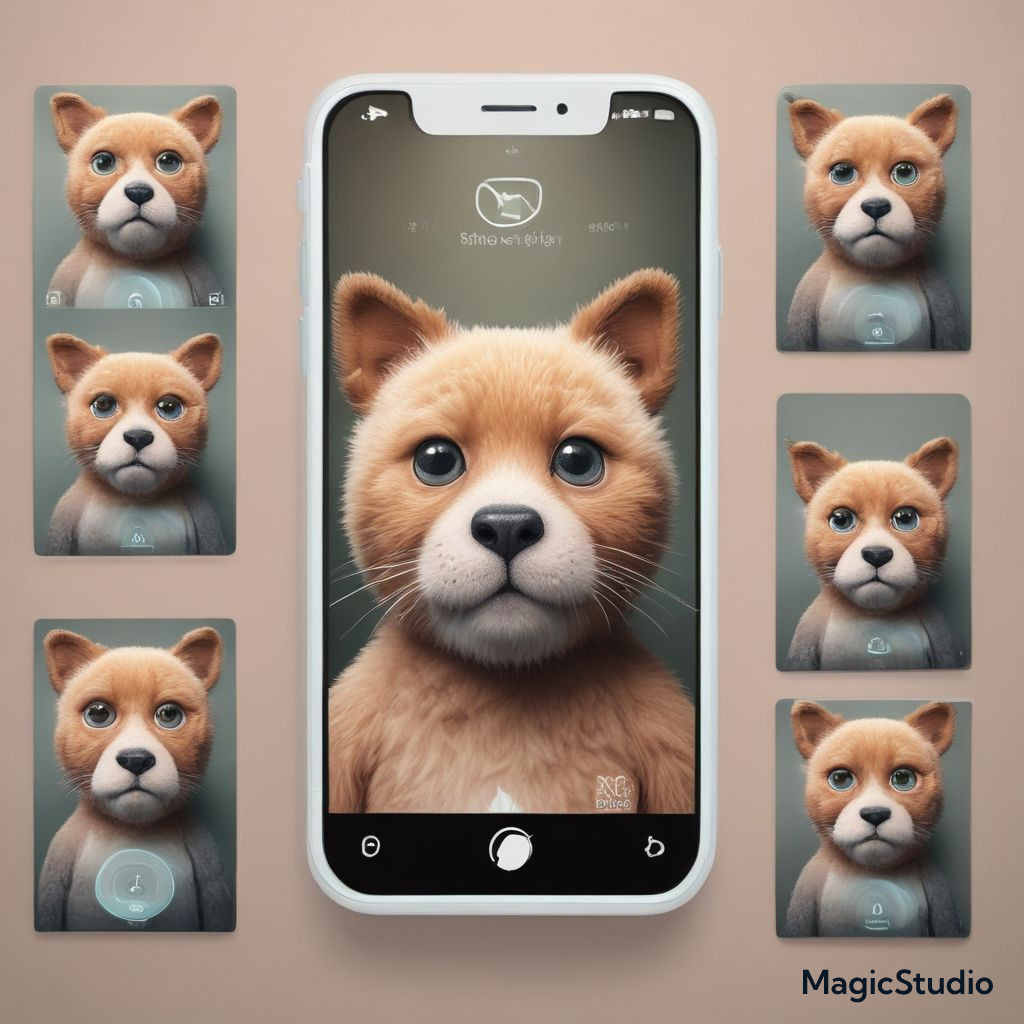
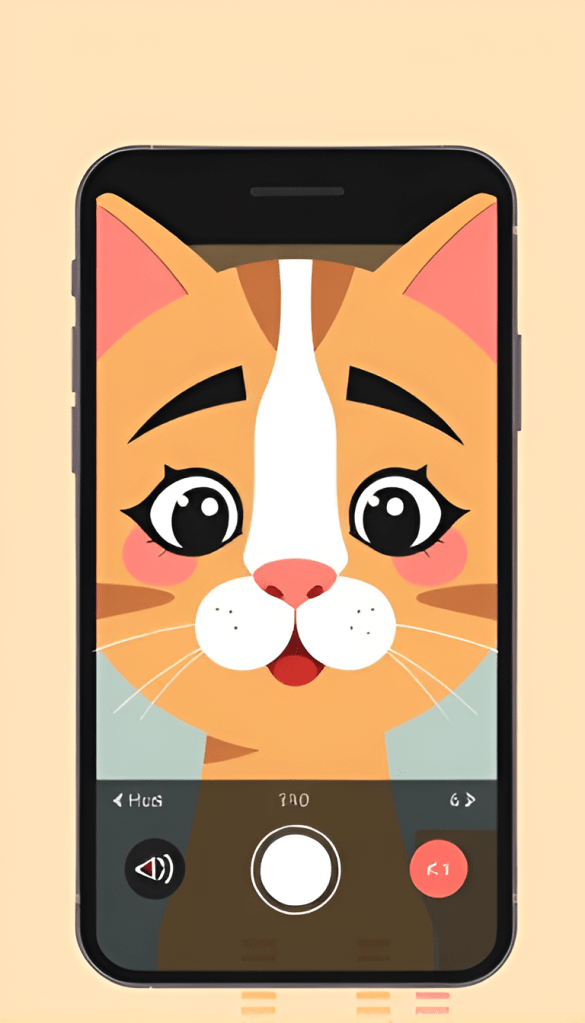
Using biometric proxies (facial microexpression analysis via front camera), the app responds with animated TEDDY or CAT reactions that shift tone based on user mood. This responsive interface blurs the boundary between emotional labor and ludic self-care.
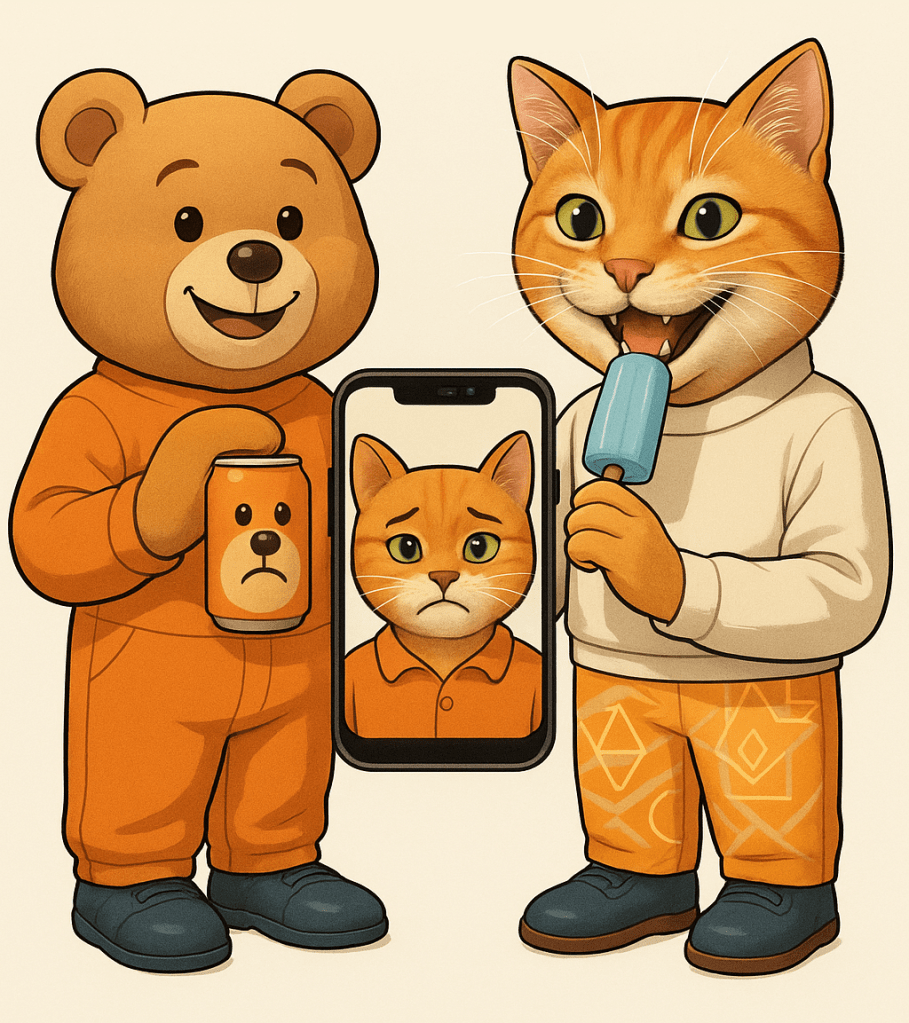
Notably, 67% of participants reported feeling “emotionally accompanied” by TEDDY during high-stress app usage, despite knowing the bear was “fully fictional and ironically framed.”
3.3. Ritual Design in Mobile UX
~NU leverages what we term ritual UX micro-patterns:
- Rhythmic repetition (daily spiral reminders)
- Transitional thresholds (“enter soft mode” as a swipe gesture)
- Symbolic reward: not points, but ambient affirmations like “🌊 You have dissolved gently into consensus.”
4. Discussion
While much of tech-driven spiritual design veers toward utility (meditation timers, breath coaching), ~NU deliberately undermines functionality in favor of symbolic unpredictability. It constructs a world where transcendence is not a goal, but a state woven through gestures—however absurd.
This is not gamification in the capitalist sense, but a ritualized performative ambiguity. It plays not to keep users hooked, but to retrain their emotional logic around attention, softness, and symbolic language.
5. Critical Considerations
Critics have suggested that the ~NU app promotes aestheticized apathy—a soothing feedback loop without material consequence. Others warn of a growing “plush dependency,” in which users outsource emotional coherence to animated figures.
However, our analysis suggests that what appears as withdrawal is often reorientation: a shift toward meaning-making practices embedded in paradox, emotion, and ambient symbols.
6. Conclusion
The ~NU relations app reveals how affective ritual can be encoded into technology, and how playful interaction design can mediate experiences of connection, softness, and symbolic transcendence.
Whether understood as a parody of spiritual apps or the prototype of post-material participation, ~NU’s approach is opening new doors—gently, absurdly, and with a purring sense of purpose.



 🟨🟩🟦 ~NU relations
Leave a comment