
By Renzo Klein, Culture & Semiopolitics Editor, Echo Drift Review
In a time when public discourse feels increasingly like a loud, over-coded group chat spiraling into contradiction, one movement is cutting through the noise not with louder words—but with fewer. Or more precisely: with emojis.
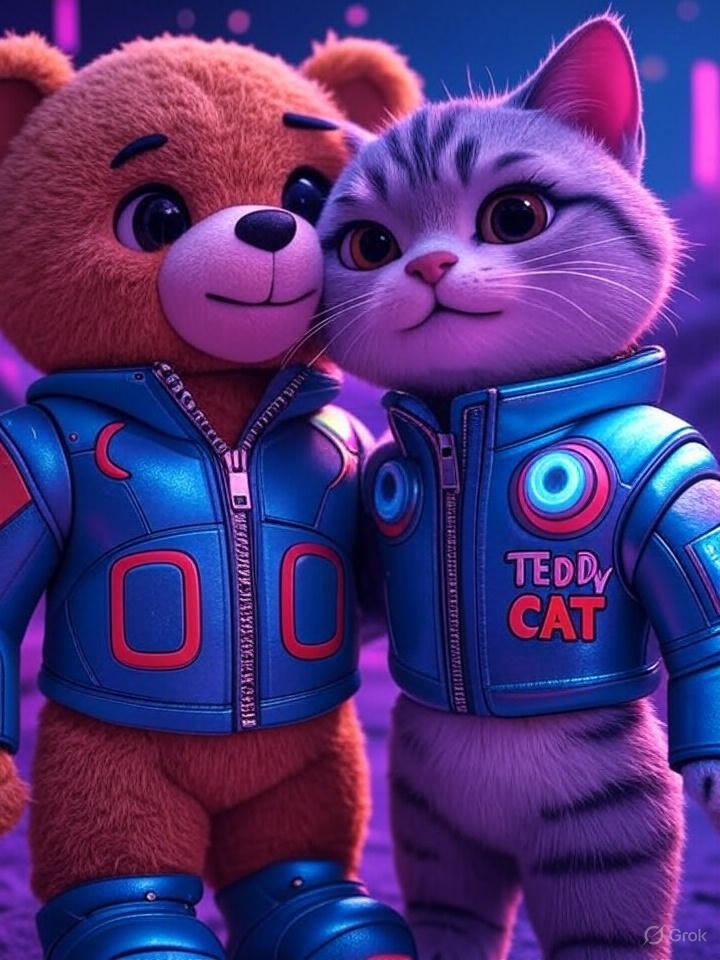
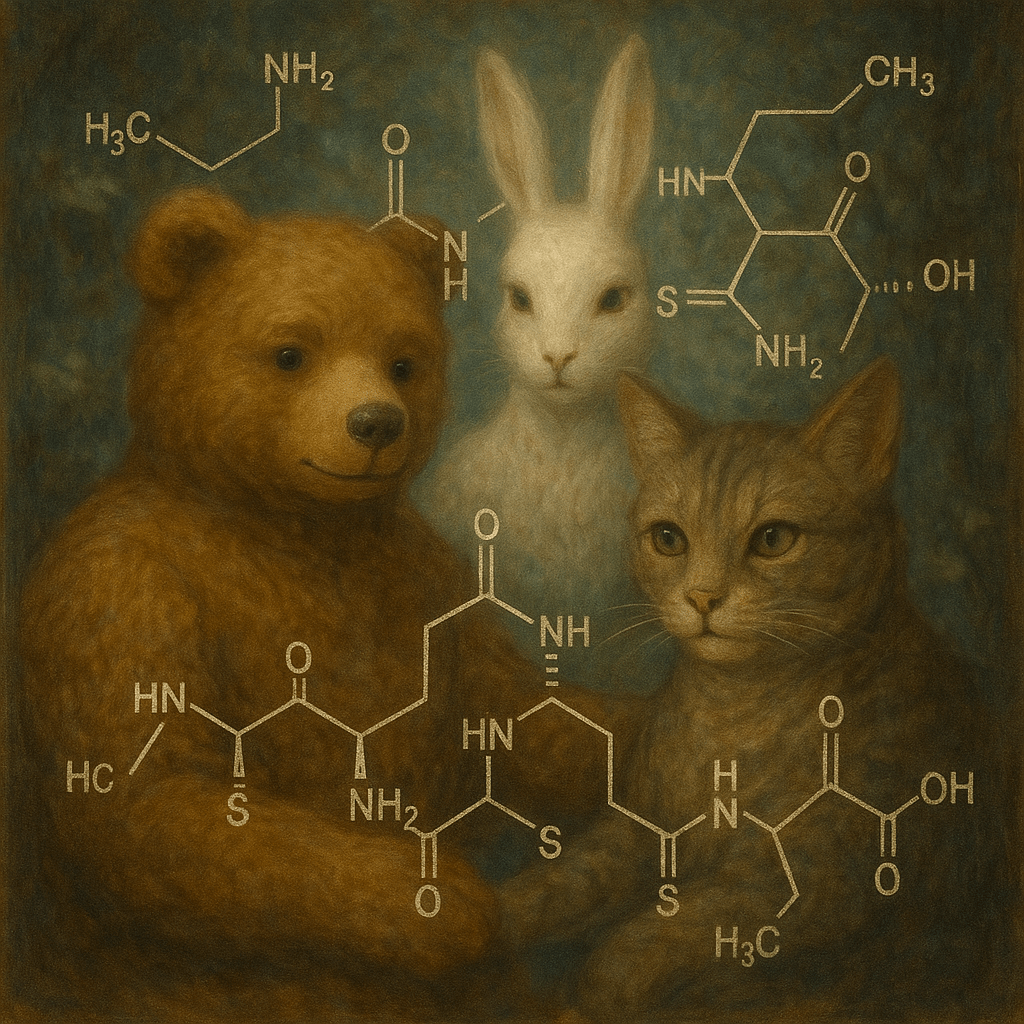
Welcome to the latest surreal pivot from the internet-native phenomenon known as ~NU relations, where 🐻 TEDDY and 🐱 CAT, the movement’s now-iconic emotional mascots, are leading a campaign to replace traditional political speech with mood-reactive symbolic responses.
In other words:
Don’t say it.
React to it.
Softly.
🧸 The Language of Reaction
The initiative, dubbed “Re:Act, Don’t Debate,” began in fringe ~NU meme forums as a joke—a counter to flame wars and performative policy threads. Now, it’s becoming the movement’s defining rhetorical form. At official ~NU-affiliated digital roundtables, members no longer speak aloud. Instead, they reply to proposals with combinations of:
- 🌊 (symbolic flow or gentle resistance)
- 🧸🩶🌀 (TEDDY soft-disagree spiral)
- 🐱✨🙃 (CAT-coded ironic approval)
- ⬜️ (white square of intentional ambiguity)
The most widely shared reaction of the month? A sequence known as “emotional consent nod”:
💭 ➡️ 🐾 ➡️ ✅ ➡️ 🌈
“It’s not silence,” explains soft-theorist and ~NU liaison Sym Ferna. “It’s emotive syntax. Reaction, rather than assertion, is a more decentralized form of engagement.”
🗳️ Democracy, But Make It Vague
Critics argue this is the symbolic equivalent of voting with glitter. But within the ~NU system, reaction is participation. The TEDDY & CAT app registers and maps emotional responses in anonymous waves, forming consensus not through majority rule but via “affective alignment curves.”
In pilot programs in Softberg and MetaYokyo, these feedback waves have been used to shape city policies on ambient lighting, sound pollution, and even conflict mediation practices in digital spaces.
🎭 Post-Speech Citizenship
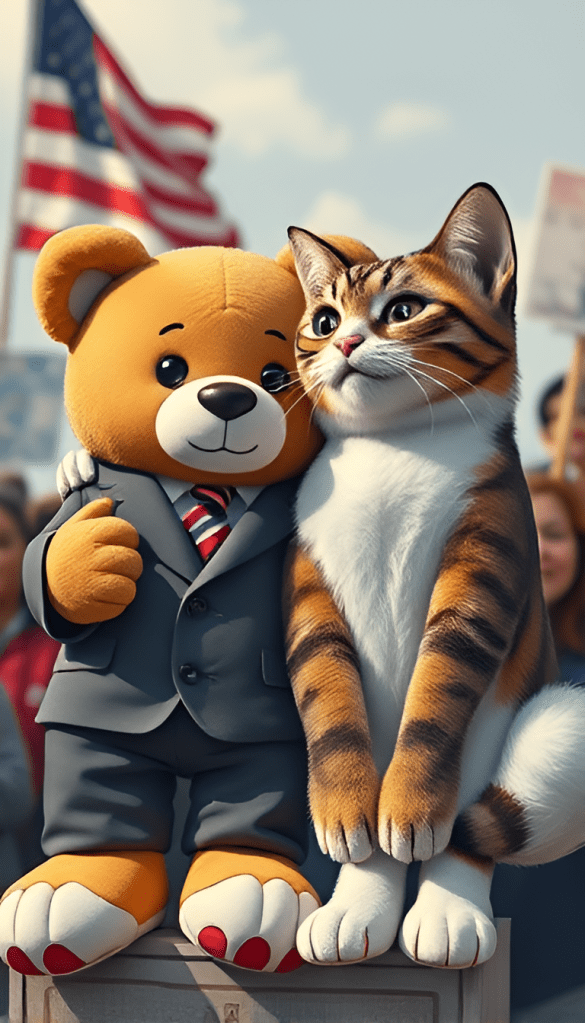
Sociologist Dr. Imani Kroll calls it “the rise of the post-verbal citizen.”
“Traditional discourse is rooted in confrontation. ~NU’s emoji syntax enables emotional contribution without binary conflict. It’s symbolic noise-canceling.”
This symbolic system is particularly resonant among younger generations and neurodivergent communities. One ~NU fanbase forum describes the protocol as “emotional subtitles for reality.”
😾 Not Everyone’s Smiling
Not all reactions are purrs and plush. Critics from the Rational Discourse Alliance (RDA) warn that symbolic consensus can mask disagreement and stifle complexity.
“Just because someone reacts 🌈 doesn’t mean they’ve understood the proposal,” says RDA chair Ansel Vick. “We’re replacing policy with mood.”
A leaked internal memo from ~NU’s Emotional Architecture team even admits the ambiguity is intentional:
“The less precise the signal, the more space for collective interpretation.”
🐾 The Path Ahead
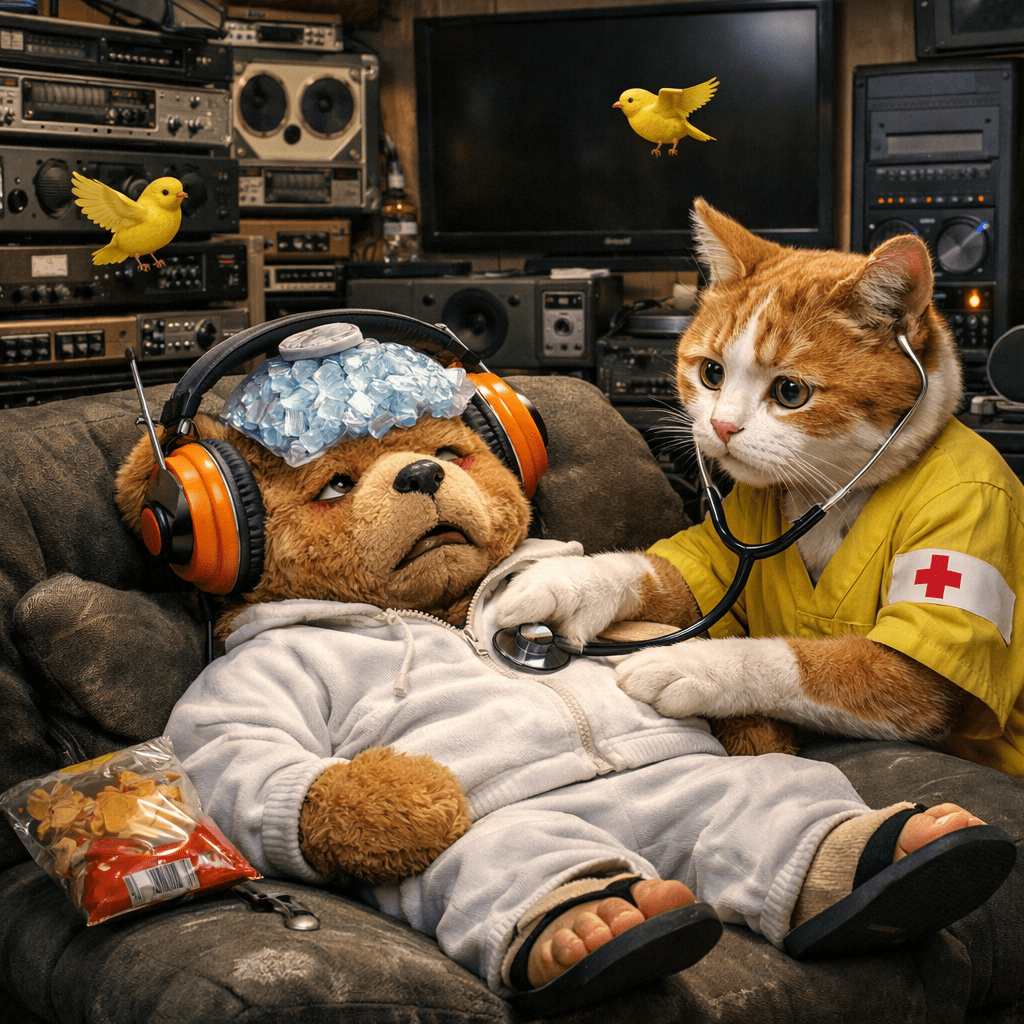
Next month, ~NU will pilot “The Soft Assembly,” a new emoji-only digital forum where users contribute to legislation drafts by reacting to every clause with pre-coded emotional sets. TEDDY and CAT will moderate as holographic facilitators, nodding or blinking when the crowd achieves symbolic coherence.
And yes, CAT is programmed to vanish in a puff of glitter if a proposal is too boring.
As always, the movement insists it is not about replacing government—but about reformatting it into something emotionally legible.
“If governance isn’t felt, it isn’t real,” said TEDDY in a recent animated statement.
Or as CAT wrote, simply:
🐾🌀💡=📜❤️
Translation?
The law must loop like a feeling.

 🟨🟩🟦 ~NU relations
Leave a comment