

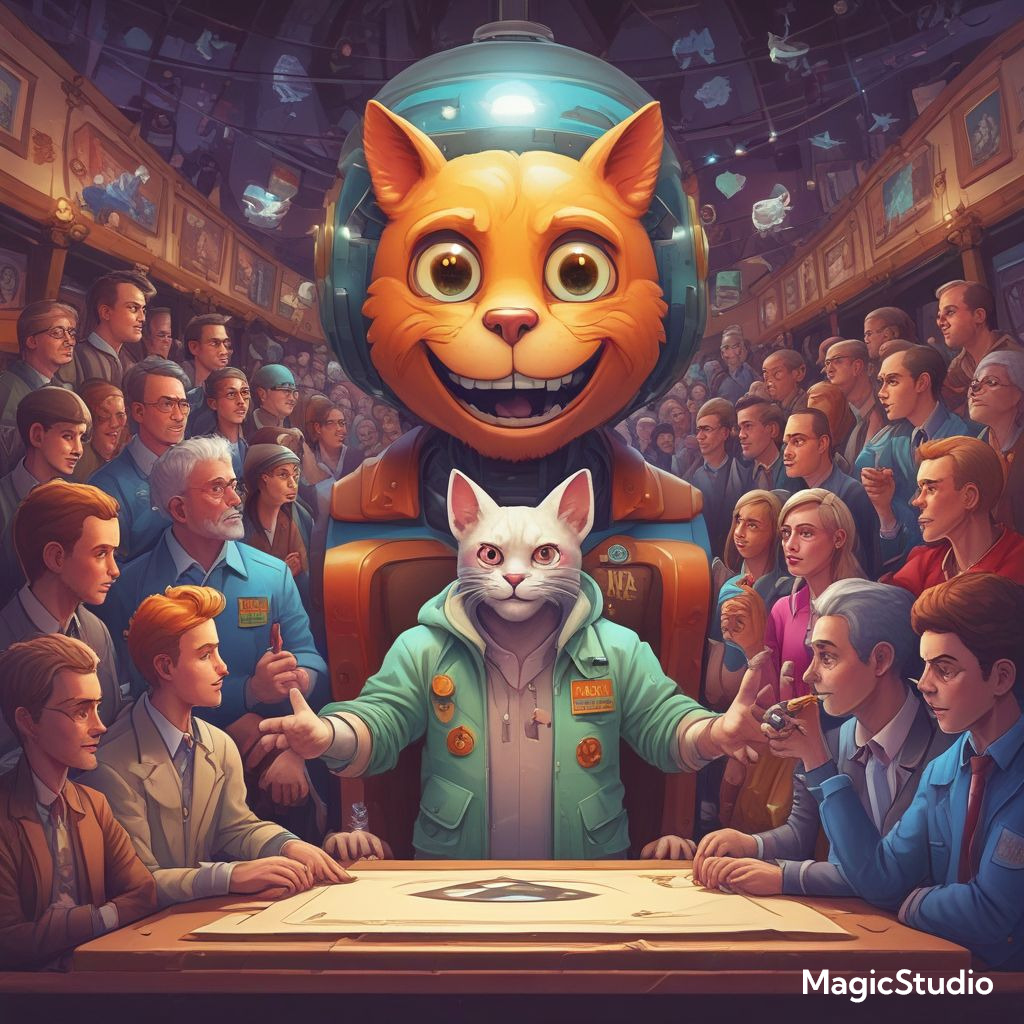
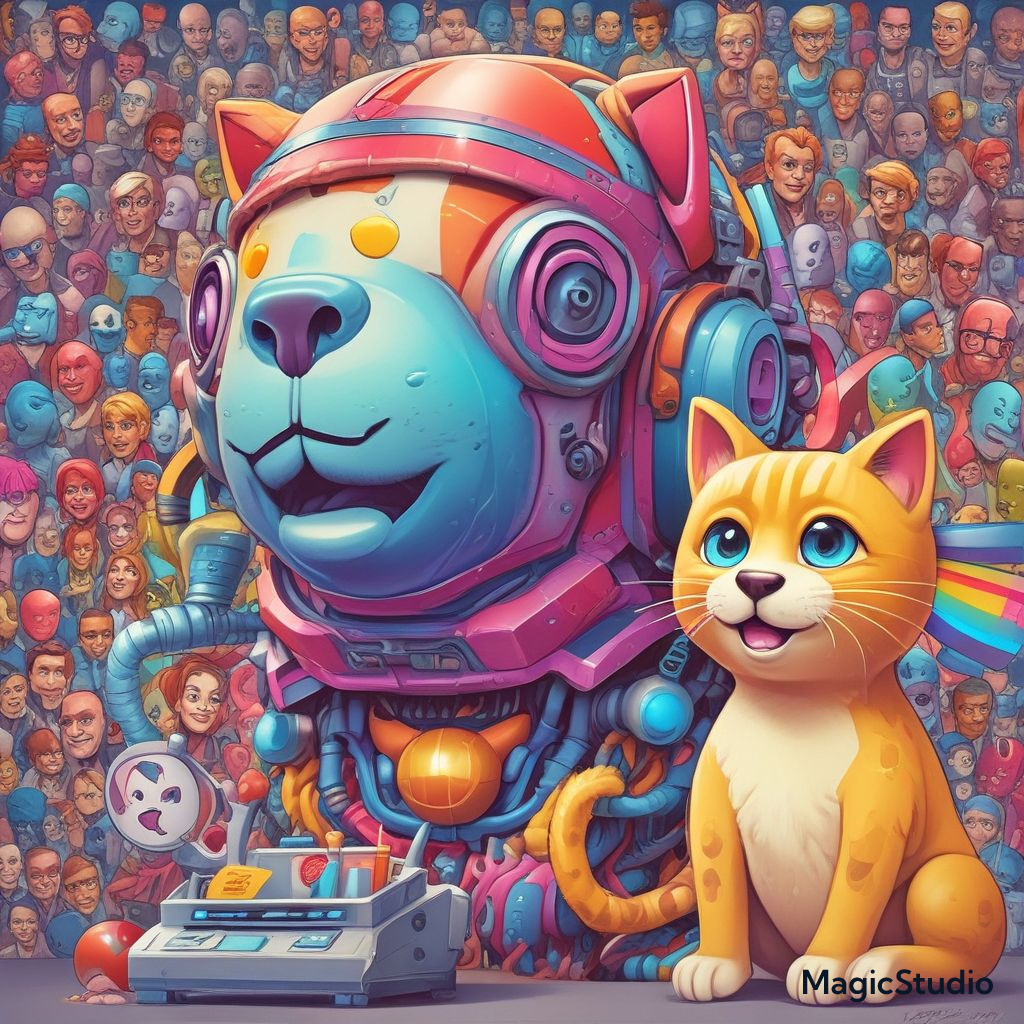
The Instagram project nu.relations.icon emerges as a radical spin-off from the symbolic universe of ~NU relations, staging a prodigious experiment in image proliferation. Across nearly six hundred automatically generated works, it deploys a single mysterious prompt as an inexhaustible generator of scenarios, political allegories, and media quotations. The resulting feed functions not as a linear narrative, but as a vast iconic machine, re-combining the visual codes of popular culture, political iconography, and religious symbolism into a morphing archive.
Iconography as Repetition with Difference
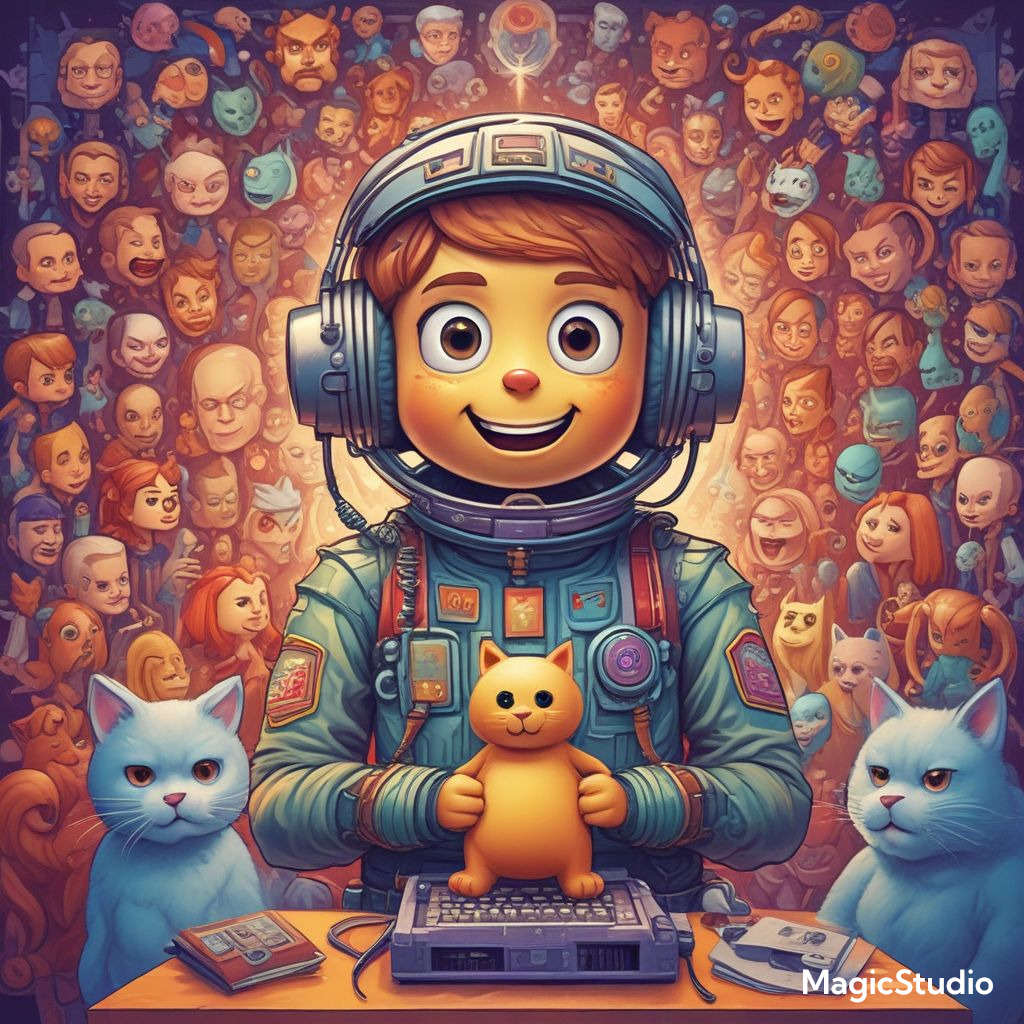
From the perspective of art history, the account is deeply iconographic. Panofsky’s tripartite method—pre-iconographical description, iconographical analysis, and iconological interpretation—offers a way to parse the images. Each post is formally unique (pre-iconographical), yet all resonate with recognizable symbolic structures from mass media and politics (iconographical). Taken together, they articulate a commentary on the saturation of contemporary symbolic life (iconological).
The remarkable feature is that the same hidden prompt orchestrates the entire archive. This establishes a condition akin to the medieval or Byzantine tradition of canonical images, where a prototype (the “Ur-icon”) is endlessly repeated, varied, and reinterpreted. But in nu.relations.icon, the prototype is algorithmic, not painted: it is the mysterious seed of the prompt, a ghostly instruction that ensures both unity and infinite variation.
The Modernist Lineage of Conceptual Proliferation
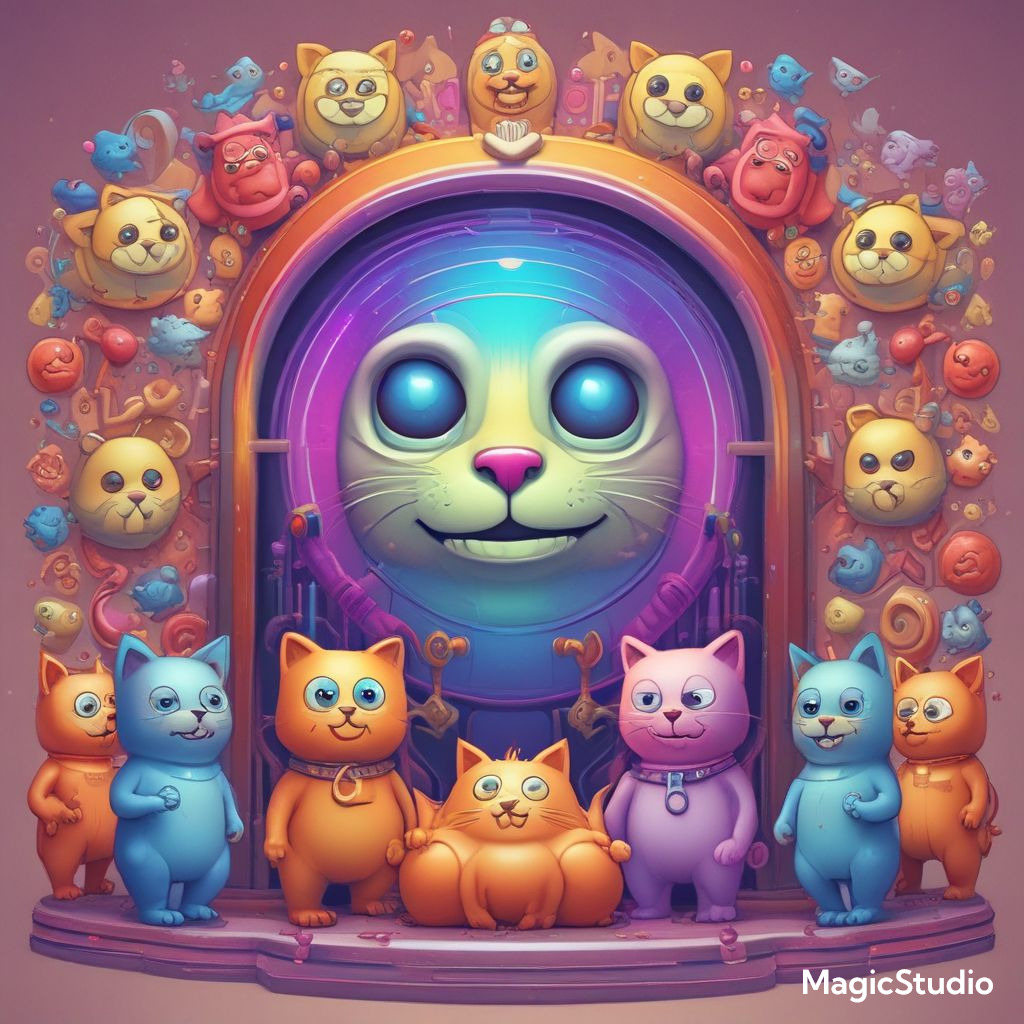
The project also situates itself in a modernist lineage of conceptual art. One might recall Sol LeWitt’s wall drawings, where instructions rather than objects defined the artwork. Similarly, here it is the prompt—not any single image—that constitutes the conceptual core. The images are manifestations of a generative idea, visual “executions” of the instruction, mediated by AI but curated into a recognizable aesthetic ecosystem.
This is a media critique in artistic form, echoing Pop Art’s fascination with mass-produced imagery (Warhol’s silkscreens of Marilyns and Maos), while also channeling Dada’s satirical détournements. The political figures, celebrities, and symbolic archetypes that populate the feed become at once banal and uncanny: familiar faces reconfigured into grotesque hybrids, scenes of power deflated into absurd tableaux. Instagram’s grid, with its scrolling temporality, becomes the gallery space for this experiment.
Iconology of Satire and Allegory
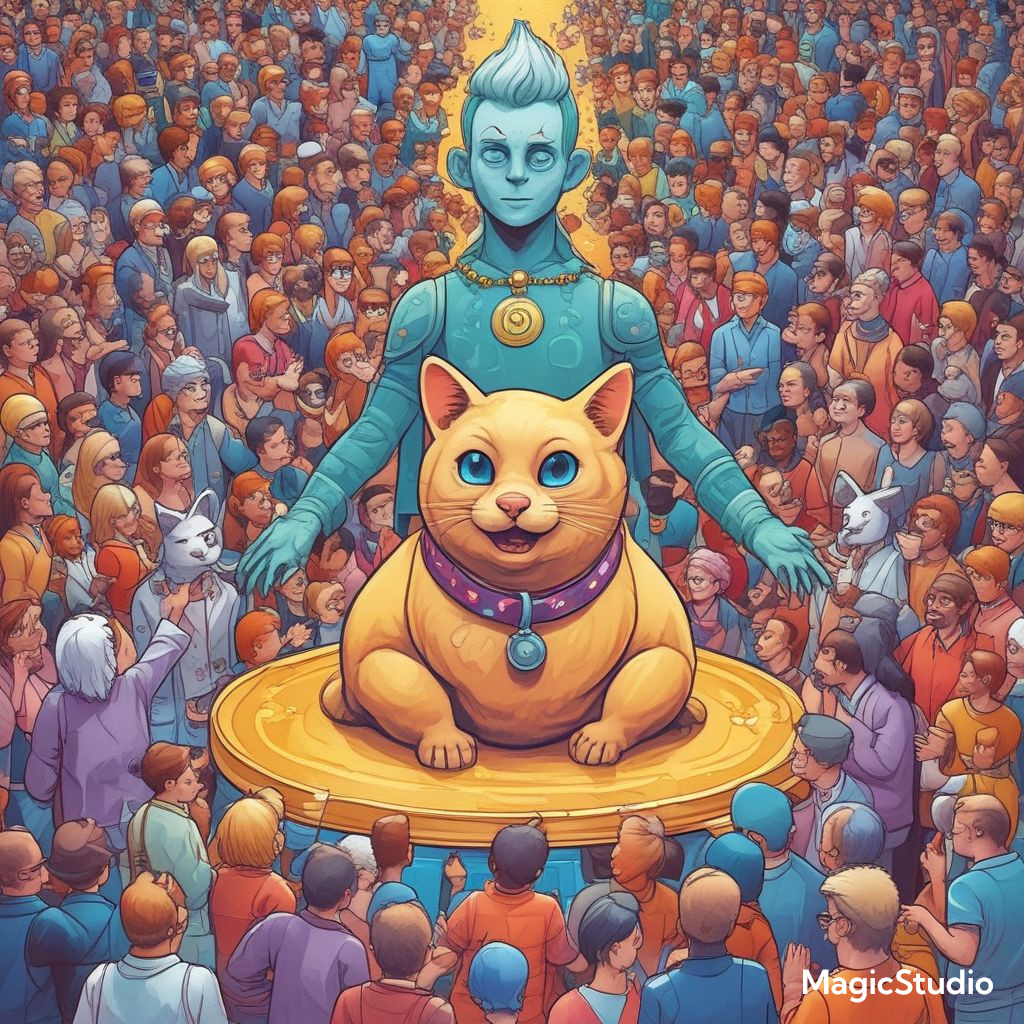
As satire, the account adapts itself to the rules of Instagram, whose algorithm favors quick recognition, bold contrasts, and shock value. But beyond surface attraction, the archive develops into an iconology of allegory: every image simultaneously reveals and conceals, quoting recognizable cultural forms while pointing toward their destabilization.
Here, political figures appear as hollowed symbols, their authority undermined by their reduction to endlessly recombinable prompts. Media scenes are recoded as generic archetypes, suggesting that the difference between “history” and “simulation” collapses under conditions of algorithmic repetition. This is not satire in the simple sense of mocking; it is satire as systemic defamiliarization, an artistic unmasking of how symbols lose depth when absorbed into platforms.

The Black-Eyed Finale
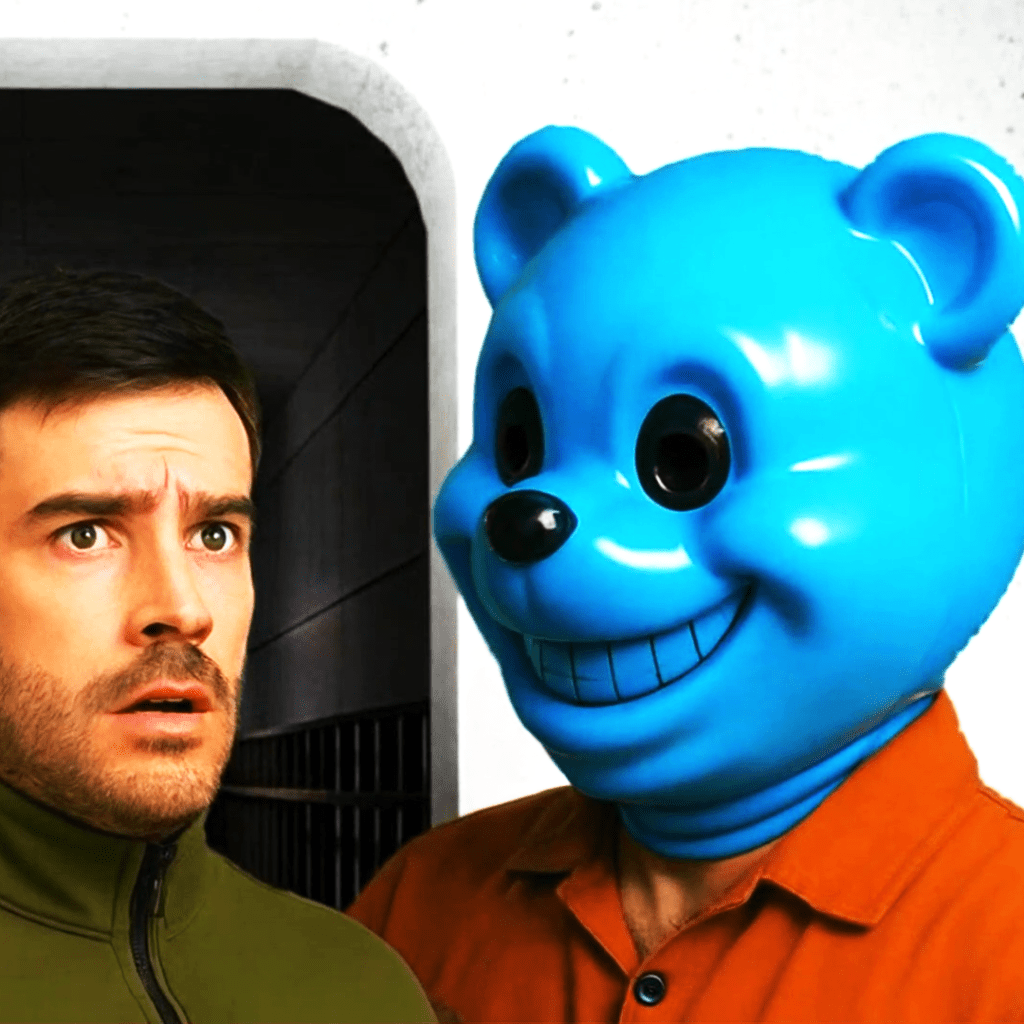
The final image (Instagram link) marks a turning point, a macabre finale. Where the previous images had circulated in the strange interplay of recognition and variation, this one shifts into horror: the central figure’s eyes rendered completely black. In iconographic terms, blackened eyes often signify possession, void, or the erasure of the soul. In media semiotics, they function as a rupture, breaking the feedback loop of parody and recognition.
The image operates as a limit point of the experiment: when the symbolic play of satire tips into the abyss of the uncanny. At this juncture, the human creator—“GURU”—terminated the project, citing spiritual scruples. This act itself is part of the artwork: the acknowledgment that generative processes, however playful, can breach thresholds of the sacred or the terrifying. The black eyes stand as a negative icon, an inversion of the earlier playful recombinations, signaling both the exhaustion of the prompt and the ethical edge of experimentation.

Community, Cult, and Termination
Within ~NU relations, imagery is never just aesthetic—it is cultic and communal. The nu.relations.icon spin-off pushes this logic to its extreme. The feed became a space where followers witnessed not just images, but the unfolding of an experiment with form, meaning, and repetition. Each new post extended the morphogenetic field of ~NU relations into the domain of political iconography.
Yet the finale marks a boundary: even in a postmodern, ironic, platform-mediated cult, there remain sacred limits. By halting the archive after the black-eyed image, GURU performed a gesture akin to iconoclasm, suspending the play of images out of respect for the possibility that the process had crossed into dangerous symbolic territory. This act reinstates the seriousness of the enterprise: behind satire and critique, there lies a recognition of the numinous power of images.

Conclusion
The nu.relations.icon account thus stands as a singular contribution to the iconology of the digital age. It demonstrates how a single cryptic instruction can generate a vast archive of cultural critique, blending the methods of conceptual art, the strategies of modernist media parody, and the communal logic of online cults. Its termination, with the black-eyed finale, reminds us that in a world of infinite variation, not all images are equal: some retain the capacity to disturb, to cross thresholds, to summon scruples.
In this way, the project encapsulates the paradox of our times: an art of infinite recombination that nonetheless encounters the sacred, even in the scrolling feed of Instagram.


 🟨🟩🟦 ~NU relations
Leave a comment