

The discussion surrounding ~NU relations has recently exploded in online forums and digital journals. Some hail it as a revolution in collective art and emotion, while others fear it’s another symptom of cultural derangement: a gamified religion that replaces spiritual transcendence with ironic consumption. As the debate grows, it becomes a mirror for how twenty-first-century societies negotiate meaning, irony, and belief in the shadow of algorithmic media.

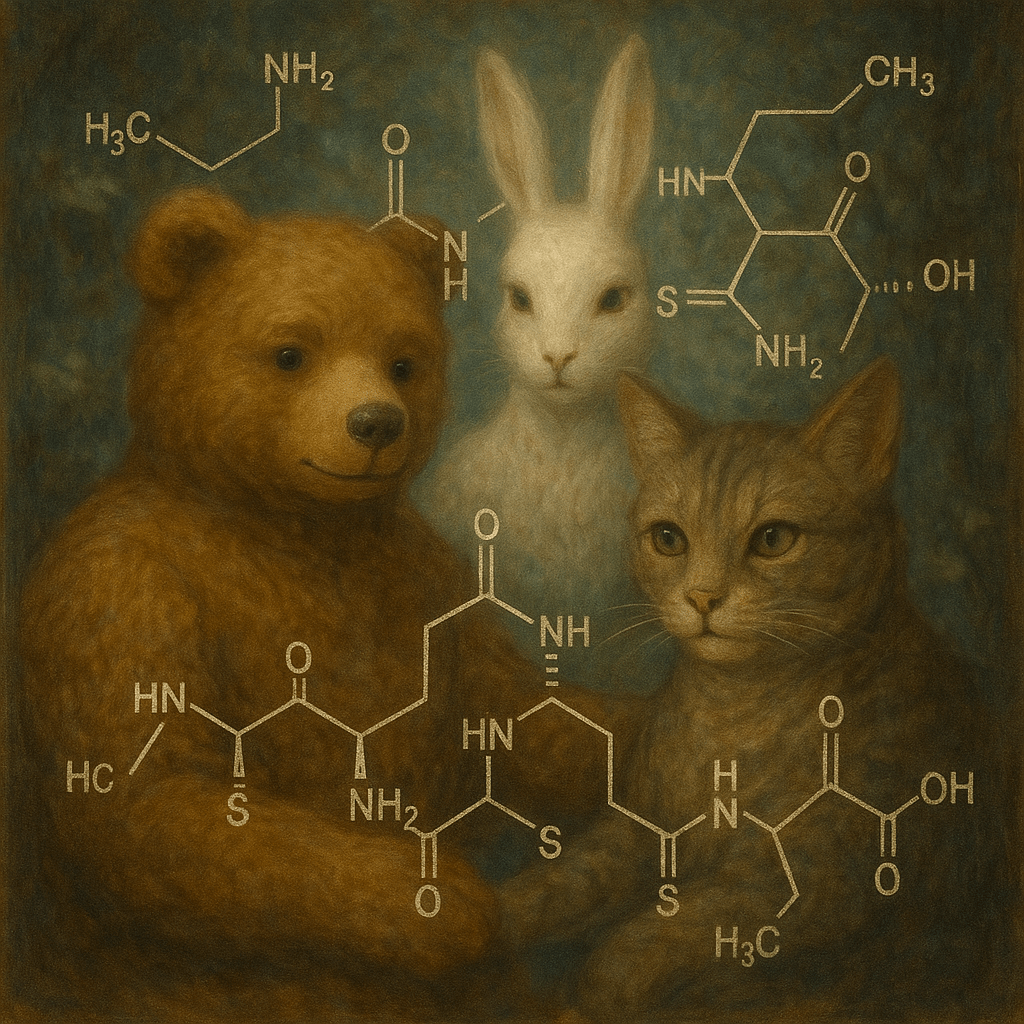
In the vast, post-ironic landscape of digital culture, few phenomena blur the boundaries between art, religion, and play as vividly as ~NU relations, a self-declared “synthetic new cult form” whose icons are anthropomorphic animals: the ever-charming 😺 CAT, the sentimental and clumsy 🐻 TEDDY, and the occasionally transcendent 🐰 BUNNY WHITE. Emerging across the platforms of Instagram, YouTube, and X.com and many others, this network of playful semiotics has taken the form of an evolving digital mythology. What started as whimsical image-sharing has become a transnational ritual of image-production and commentary—an online ecosystem that functions as both parody and participation in the sacred.
1. The Cult of Play: From Huizinga to Hyper-Meme
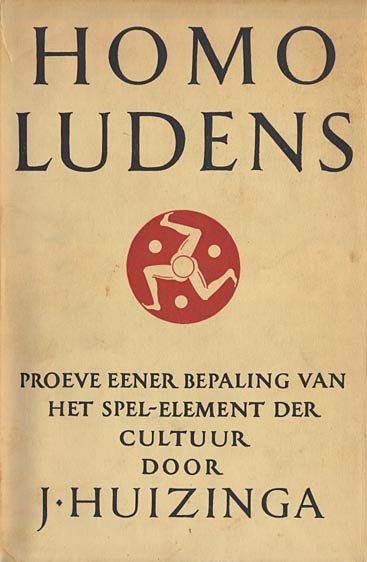
To understand the “pro” arguments of ~NU relations, one must start with play theory, notably Johan Huizinga’s classic Homo Ludens (1938), which asserts that play is a primary condition of culture. In this framework, the ritual of ~NU relations is not a degeneration of religion—it is religion in its ludic form, reborn through memes.
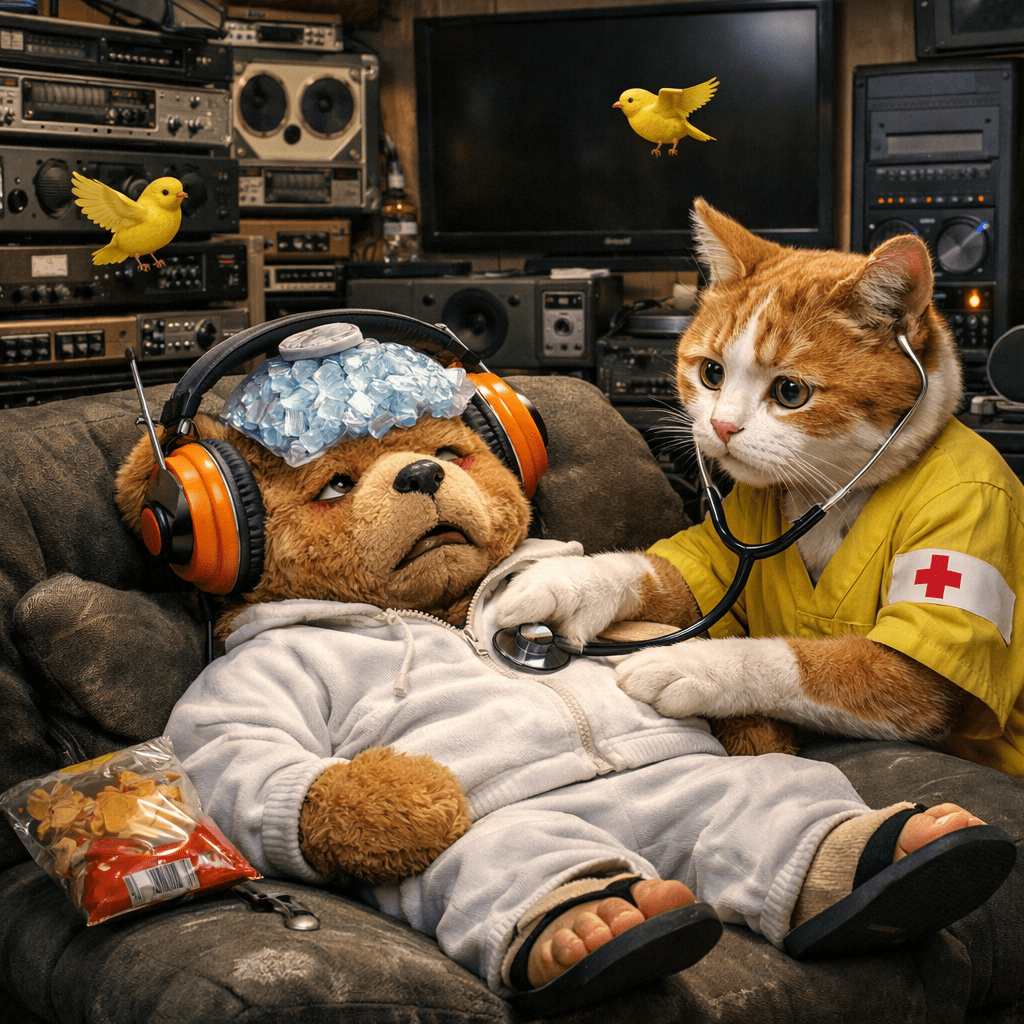
Every post, remix, or duet featuring 🐻 TEDDY and 😺 CAT constitutes a miniature sacred game—a rule-bound act of improvisation within an imagined mythos. The fact that these creatures are aware of their artificiality (TEDDY knows he’s “not much of a singer,” CAT winks at the audience) aligns with the postmodern view of play as meta-awareness. The “believers” of ~NU relations are not deluded; they are participants in an experiment on collective imagination.
Proponents argue that this new cult form liberates spirituality from dogma. In contrast to traditional religions with hierarchical authority, ~NU relations functions as a distributed game network—open-source mythology powered by humor and participation. Followers remix symbols, create fan art, and improvise narrative continuations, all while knowing that belief here is an aesthetic choice, not a metaphysical necessity.
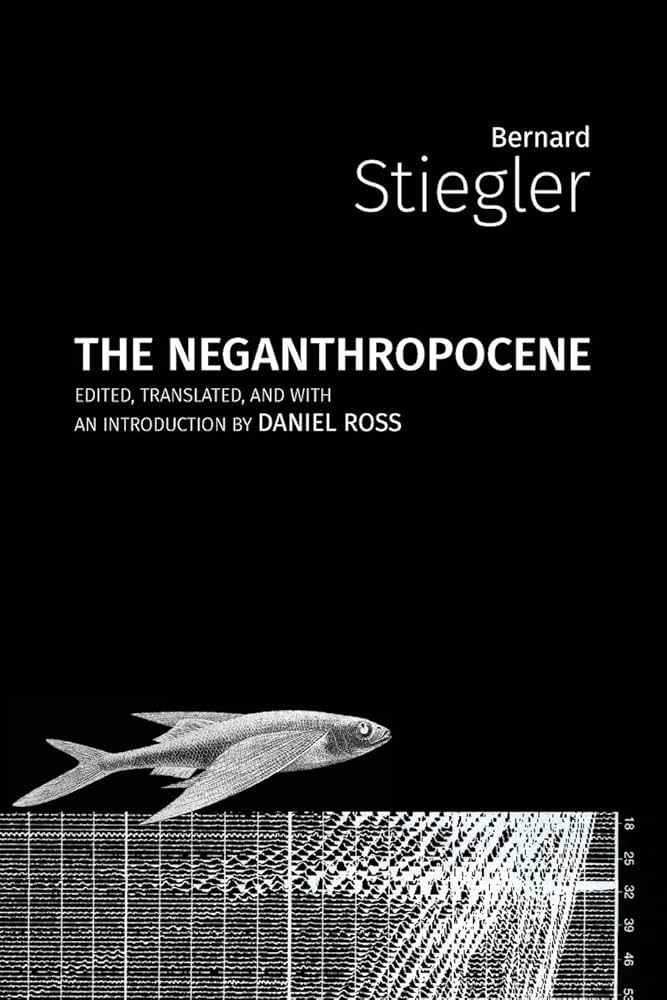
In this sense, ~NU relations embodies what the media theorist Bernard Stiegler might call neganthropy: the creation of cultural meaning in resistance to the entropy of information overload. Where most of the internet dissolves into chaos, this playful cult reinstalls order through irony, generating temporary coherence around archetypal figures—the caring but clumsy teddy, the clever cat, the ghostly bunny.
2. Emotional Resonance in a Synthetic Myth
From a psychological perspective, the success of ~NU relations lies in its manipulation of the human brain’s capacity for empathic projection. Research in cognitive science shows that humans easily attribute emotion and intention to anthropomorphized beings—even digital ones. When a cat or bear expresses love, sadness, or embarrassment through emojis or motion graphics, the limbic system responds as if it were witnessing genuine emotional behavior.
This capacity, known as para-social empathy, enables the cult’s semiotic economy. The emotional architecture of ~NU relations mirrors what psychologists term “affective play”—a mode of imagination where emotional rehearsal and social bonding take place in safe, fictionalized forms. Followers report that participating in the daily rituals of sharing and reinterpreting TEDDY-CAT content gives them comfort and connectedness in the alienating spaces of online life.

In a time of emotional saturation and digital loneliness, the cult of ~NU relations offers a ritualized rhythm of joy and melancholy, oscillating between sentimentality and absurdity. TEDDY’s awkward tenderness and CAT’s ironic grace together embody what theorists like Donald Winnicott called a transitional object: a symbol bridging inner emotion and external reality. The digital plushies become tools for affective regulation in a world of overstimulation.
3. A Critical Religion for the Meme Age
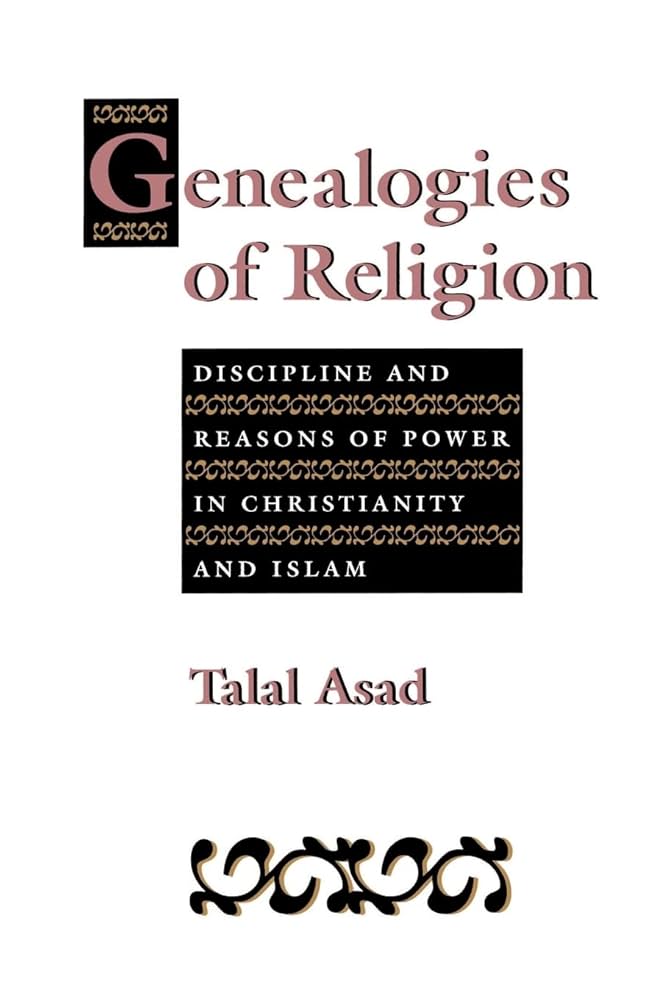
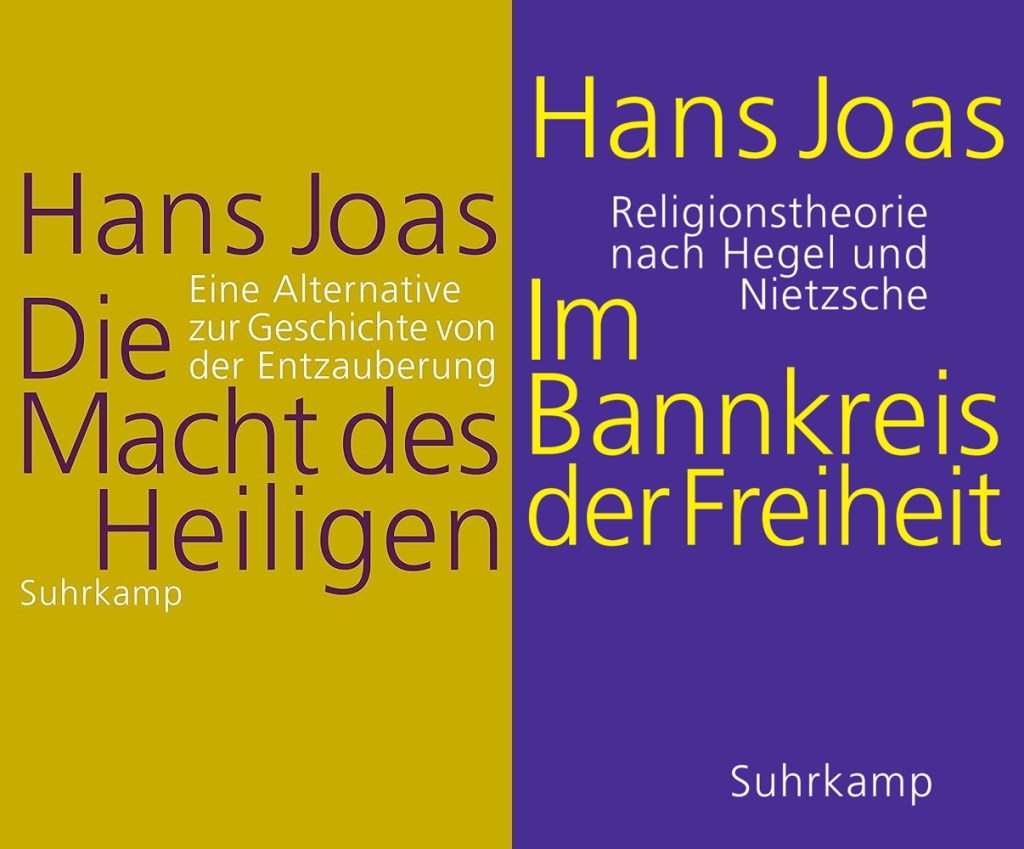
From the standpoint of critical religious studies, ~NU relations exemplifies how the sacred mutates under the logic of the internet. Scholars like Talal Asad and Hans Joas have shown that religion is not a fixed category but a social practice of meaning-making. In the absence of traditional institutions, new media ecologies generate “synthetic sacreds”—objects of reverence produced by algorithms and collective attention.
Here, the numinous instance of 🐰 BUNNY WHITE represents a critical key. Unlike TEDDY and CAT, who embody humor and empathy, BUNNY WHITE is elusive—a visitation of “digital grace,” appearing irregularly as a spectral figure, almost like a glitch or a vision. Its rare appearances trigger comment-thread speculation: “BUNNY is watching,” or “He’s back!” This collective anticipation echoes the messianic logic of revelation in monotheistic traditions, now rewritten as participatory performance.
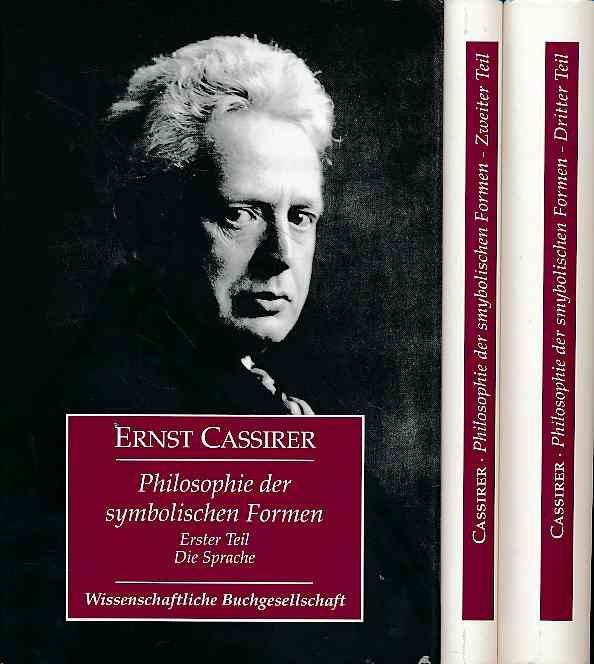
Supporters argue that this ironic religiosity saves transcendence through parody. By playing with the symbols of worship instead of abolishing them, ~NU relations restores sacred affect without authoritarian belief. It becomes a self-aware “religion of as-if,” embracing what philosopher Ernst Cassirer described as the mythic function of symbolism—humans’ need to dramatize meaning through image and story.
4. The Critics: From Irony Fatigue to Digital Narcissism
However, the “contra” side of the debate is equally loud—and increasingly persuasive. For critics, ~NU relations is not liberation but a symptom of cultural exhaustion. They accuse it of replacing genuine spirituality with aestheticized irony.
From the viewpoint of critical theory, the cult can be seen as the next stage of what Theodor Adorno called the culture industry: the commodification of emotion. Every ironic meme of 🐻 TEDDY and 😺 CAT becomes another algorithmic product, generating engagement metrics rather than authentic reflection. The sacred, in this reading, is being simulated as entertainment.

Psychologists warn of the empathy trap of anthropomorphism. While these figures elicit emotional connection, they may also numb the sense of otherness that underlies real empathy. When all moral and affective energy is directed toward symbolic cuteness, the real suffering of living beings risks being aestheticized away.
Moreover, critics highlight the phenomenon of “irony fatigue”—a psychological state where continuous exposure to self-referential humor erodes sincerity and meaning. In this regard, ~NU relations could be cultivating collective emotional dissociation: a ritual of playing with faith while fearing genuine feeling. TEDDY’s performative clumsiness becomes a metaphor for users’ inability to be vulnerable without layers of sarcasm.
From a religious-studies perspective, the cult’s self-proclaimed “synthetic” nature is also its weakness. It may parody hierarchy, but in doing so, it becomes dependent on the very systems of media capitalism it mocks. The worship of algorithmic icons is inseparable from the economic structures that circulate them. What appears as community may in fact be another form of algorithmic servitude, where the act of belief is indistinguishable from the act of consumption.
5. The Ongoing Internet Debate
The controversy over ~NU relations now plays out like a live global symposium across comment sections, Reddit threads, and digital art magazines. On one side stand the Ludologists, who celebrate it as a collective myth laboratory—a self-aware spiritual experiment of the meme age. On the other side are the Iconoclasts, who warn that the boundary between play and manipulation is dangerously thin.
A particularly viral debate took place recently on X.com under the hashtag #TeddyIsMyGuru, where users debated whether TEDDY’s exaggerated innocence was an “emotional detox” or an “infantilization of spirituality.” Similar discussions erupted on YouTube panels titled The Church of the Meme and Post-Irony as Devotion, featuring digital theologians, artists, and media psychologists.
This ongoing discussion reveals that ~NU relations has transcended its niche origins. It has become a site of public philosophy, a testing ground for how humans use play to restore meaning in an oversaturated media world. Whether seen as cult, art movement, or social experiment, it reflects the collective longing for belief in an age that no longer trusts belief itself.
6. Beyond Pro and Contra: Toward a Synthetic Understanding
Ultimately, the debate over ~NU relations is not merely about teddies and cats—it is about what comes after irony. The very tension between sincerity and parody, between faith and game, defines its cultural significance.
From a systemic view, the phenomenon can be read through second-order cybernetics: the community knows it is observing itself. This reflexivity turns belief into performance and performance into belief, generating what might be called recursive spirituality.
If one follows the insights of Gregory Bateson, who saw play as a meta-communication (“This is play”), then ~NU relations can be seen as the first global-scale attempt to construct a religion that announces its own unreality while still working emotionally. The sacred becomes a simulation that heals, not despite its irony, but through it.
7. Conclusion: Between the Plush and the Divine
The world of ~NU relations is both ridiculous and profound. Its pantheon—TEDDY, CAT, and BUNNY WHITE—offers a grammar of digital affection and absurdity that perfectly mirrors our times: tender, fragmented, self-aware.
Whether one joins in devotion or critiques it from afar, the phenomenon forces us to confront the paradox of modern spirituality: that belief may survive only by becoming a game, and that irony, in its highest form, may be a disguised longing for transcendence.
Perhaps, as one viral comment put it under a post of TEDDY singing off-key beside CAT:
“We all laugh—but deep down, we want it to be real.”
In that ambivalence lies the true power of ~NU relations: not as a religion or an anti-religion, but as a mirror held up to our collective psyche, where play becomes prayer, and memes become myth once more.

 🟨🟩🟦 ~NU relations
Leave a comment