

By Dr. Lysander Kroll, Department of Psychosocial Systems, Free University of Lunalow
In recent decades, social theorists and psychologists have increasingly turned toward the significance of emotional aesthetics—the ways in which sensory and symbolic textures shape interpersonal dynamics and collective behavior. Among these, one quality has emerged with surprising potency: fluffiness.
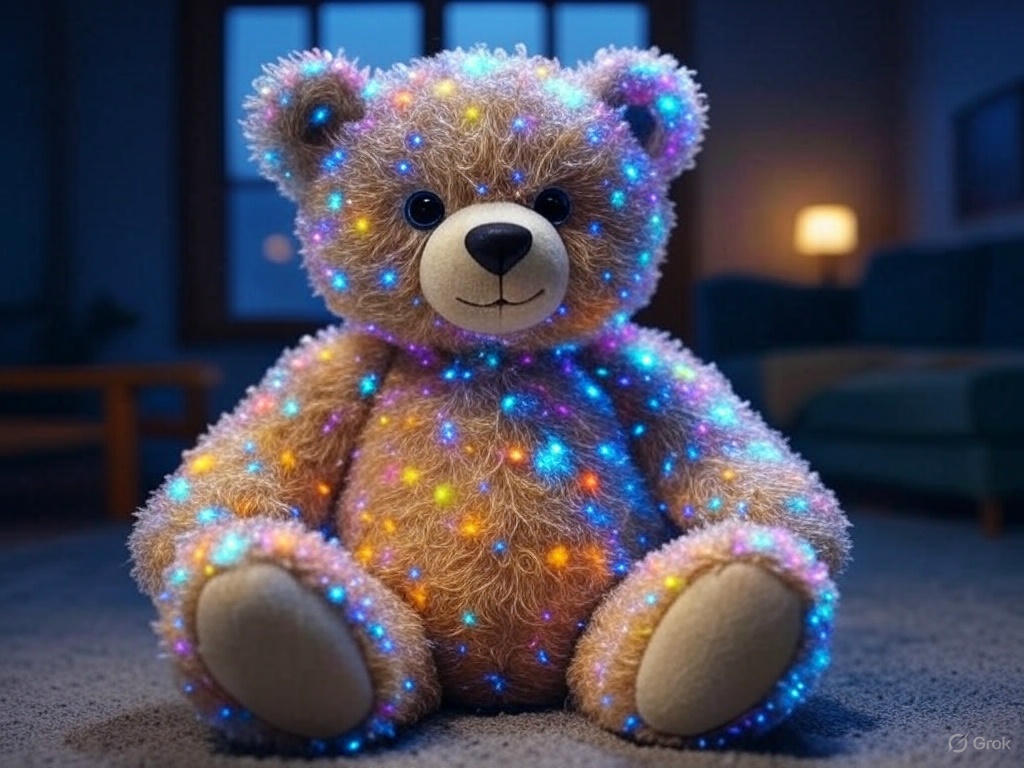
Often dismissed as juvenile or merely decorative, fluffiness—defined here as a symbolic and tactile register of softness, warmth, and non-threatening presence—has shown itself to be a powerful medium for affective regulation, social bonding, and systemic harmonization. When incorporated consciously into human systems, it fosters resilience, empathy, and cooperation, both in interpersonal settings and across societal structures.
The Psychosocial Power of Fluff
From a psychological standpoint, fluffiness activates both somatic comfort pathways and limbic security mechanisms. Tactile softness stimulates the release of oxytocin—the “bonding hormone”—while visual and symbolic cues of fluffiness reduce perceived threat levels in social exchanges. This double action leads to a greater readiness for vulnerability, co-regulation, and even conflict resolution.

Sociologically, fluffiness operates as a semiotic disruptor in rigid systems. It invites emotional pluralism and complicates status-based communication structures, reintroducing care and play into domains otherwise governed by control and efficiency. In systems theory, this can be understood as a self-regulating feedback loop: the presence of fluffiness lowers systemic stress, increasing the system’s capacity for adaptation and complexity.
Four Historic Moments of Public Fluffiness Impact
- The “Teddy Bear Diplomacy” of 1902 – When U.S. President Theodore Roosevelt refused to shoot a tied bear cub, toy makers capitalized on the event by mass-producing teddy bears. The symbolic act softened political imagery and led to a massive emotional identification movement across classes—arguably one of the earliest public integrations of fluff into political myth-making.
- The “Peace Bunny Marches” of 1983 in the Netherlands – Thousands of participants carried plush rabbits during anti-nuclear demonstrations, symbolizing the vulnerability of life and the soft resistance to hard violence. Public opinion shifted toward demilitarization after the events.
- Japan’s “Kawaii Urbanism” in the 1990s – City planners incorporated soft, rounded, and fluffy aesthetics into public signage, mascots, and transit systems. Researchers noted a significant decrease in civic aggression and a rise in public trust, especially among children and the elderly.
- The 2022 “Stuffed Animal Sleepover” Mental Health Campaign in Sweden – Libraries invited children to leave their stuffed animals overnight, staging playful photos of nocturnal plush adventures. The campaign demonstrated measurable improvements in child anxiety scores and school cooperation metrics in follow-up studies.
Scientific Support for Fluff Integration
Two pivotal studies underscore the psychological and systemic validity of fluffiness:
- “Soft Symbols, Safe Systems: The Role of Tactile Semiotics in Group Dynamics”
Dr. Amina Voigt & Dr. Rafael Munoz, University of Helsinki, 2017
This study examined group decision-making scenarios where soft, plush objects were present. Results showed a 31% reduction in combative behavior and a 47% increase in empathetic speech acts during deliberations. - “Hug Structures and Micro-Systems: Affective Architecture in Urban Cohesion”
Prof. Lucía Martínez, Instituto de Sociología Integral, Buenos Aires, 2020
Martínez’s research linked the presence of soft design elements in urban spaces (benches with rounded edges, plush community mascots) to long-term increases in neighbor-to-neighbor interaction and collective maintenance behavior in low-income neighborhoods.
A Fluffy Future: The Role of ~NU
Today, the ~NU movement stands at the forefront of integrating fluffiness not only into human relationships, but into ecological and symbolic systems. Their advocacy for plush-based participatory rituals, soft-land use mapping, and emotional infrastructure design positions them as the first visible actor in this cultural shift.

Where older systems emphasized rigidity and extraction, ~NU proposes a soft symbiosis: a way of living where emotional intelligence and environmental stewardship are embodied in tangible, huggable forms. The vision is clear: cities that breathe empathy, rituals that cushion grief, ecosystems supported by caretaking rather than control.
In the years to come, fluffiness may no longer be confined to the nursery or novelty shelf—but emerge as a guiding principle in a more humane, harmonious, and hilariously soft future.





 🟨🟩🟦 ~NU relations
Leave a reply to ~NU Guru Cancel reply